field notes, loosely filed
Memories of a Future
or just a blog
Ideas, assumptions and explorations about almost everything — cards, people, the odd thought that arrives uninvited at 3 a.m. — and then a little more. Read forward, remember backward.
Columns
Tags
- dating
- therapy words
- games
- psychoanalysis
- burnout
- research
- solitude
- siblings
- estrangement
- couples
- menopause
- children
- awe
- OCD
- body-oriented therapy
- ethics
- gratitude
- confidentiality
- attachment
- loneliness
- climate
- perfectionism
- work
- how therapy works
- modalities
- parents
- film
- friendship
- nostalgia
- fear
- addiction
- art
- gestalt
- panic
- winter
- body image
- envy
- first session
- supervision
- therapy
- men
- nervous system
- grief
- social media
- ADHD
- women
- AI
- self-esteem
- borderline
- boundaries
- sleep
- anxiety
- shame
- rituals
- hormones
- music
- trauma
- Jung
- depression
- metaphoric cards
Latest
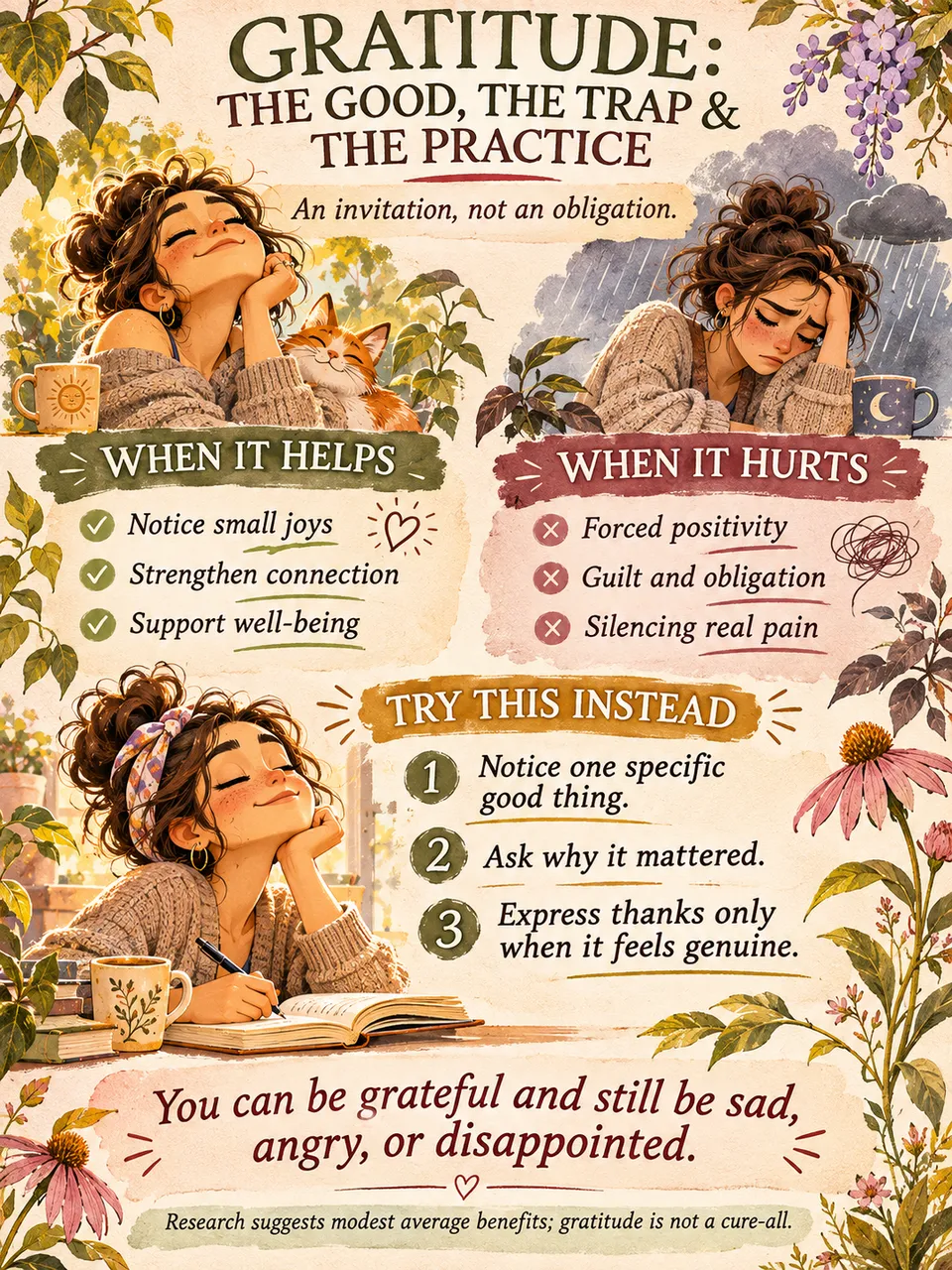
Gratitude Research: What It Shows, What It Doesn't
Gratitude journaling helps a little, not a lot. Here is what the studies show, where the hype outruns the data, and how to do it so it works.
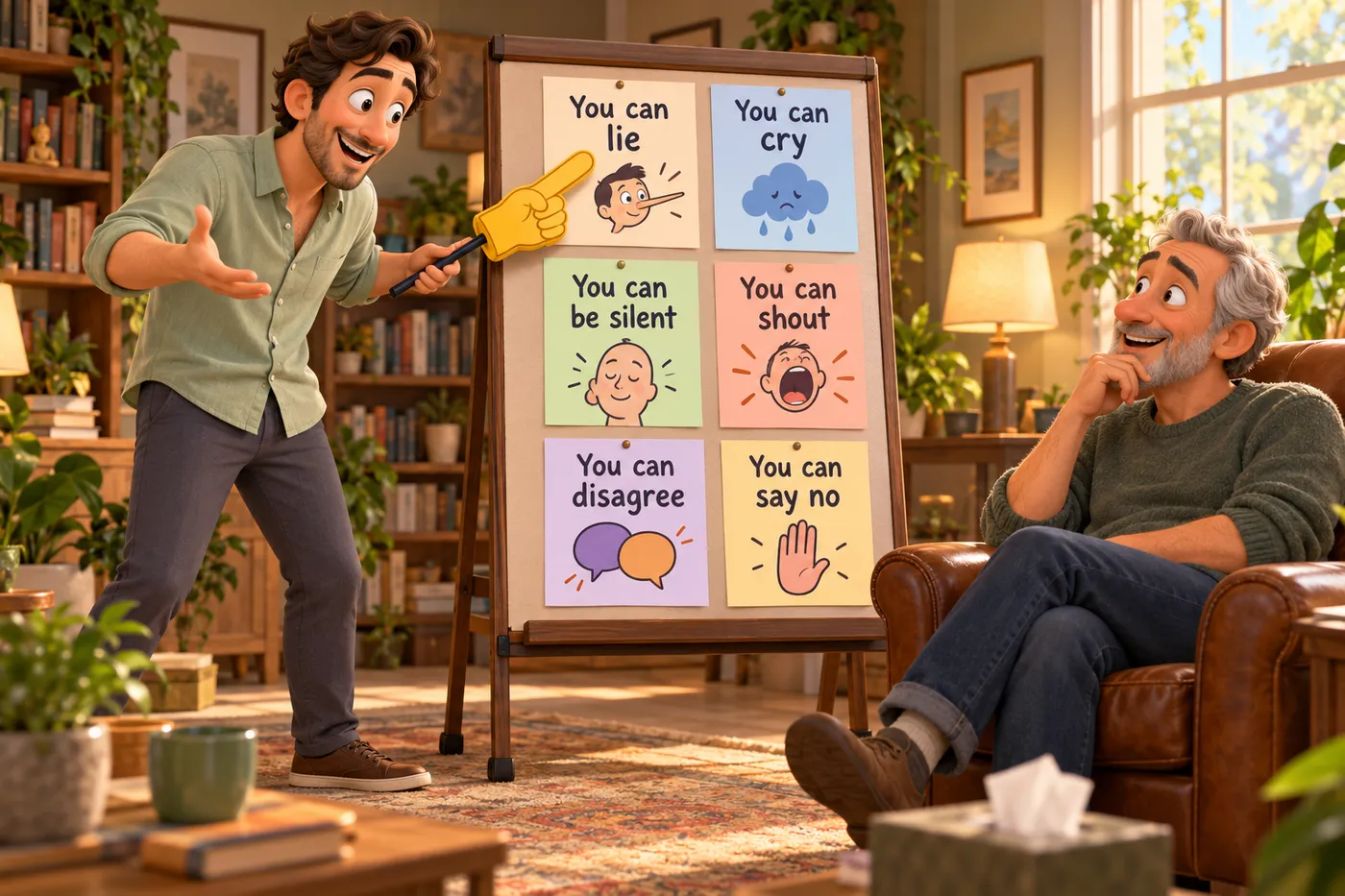
What If I Cry, Go Silent, or Lie to You?
You will do at least one of the three, probably all of them. None is a problem; each is information. What a therapist actually does with tears, silence and the small lies everyone tells in the first months.

Psychology of Horror: Why We Pay to Be Scared
Benign masochism, excitation transfer and fear as rehearsal. Why horror feels good, what it trains, and a card practice for the image you avoid.

Music for Nervous System Regulation: A Playlist Guide
Music changes heart rate, cortisol and mood. Learn the iso-principle and build a regulation playlist that meets you where you are, then moves you.

Forgiveness vs Reconciliation: Two Different Doors
Forgiveness happens inside you. Reconciliation happens between two people, and only when it is safe. Here is how to tell the doors apart.

Containing — Like a Box? Today's Word
A word therapists use constantly and almost never explain. What it means to contain a feeling, where the idea comes from, what it looks like in a room, and the film that shows it in one scene.

Envy as Information: The Feeling You're Not Allowed to Have
Envy is the emotion nobody admits to. Research says it comes in two kinds, and one of them is a map to what you actually want.

Men and Crying: What Tears Are Actually For
Humans are the only animals that weep. Here is what tears do, what suppressing them costs men, and what changes when you cry in front of someone.
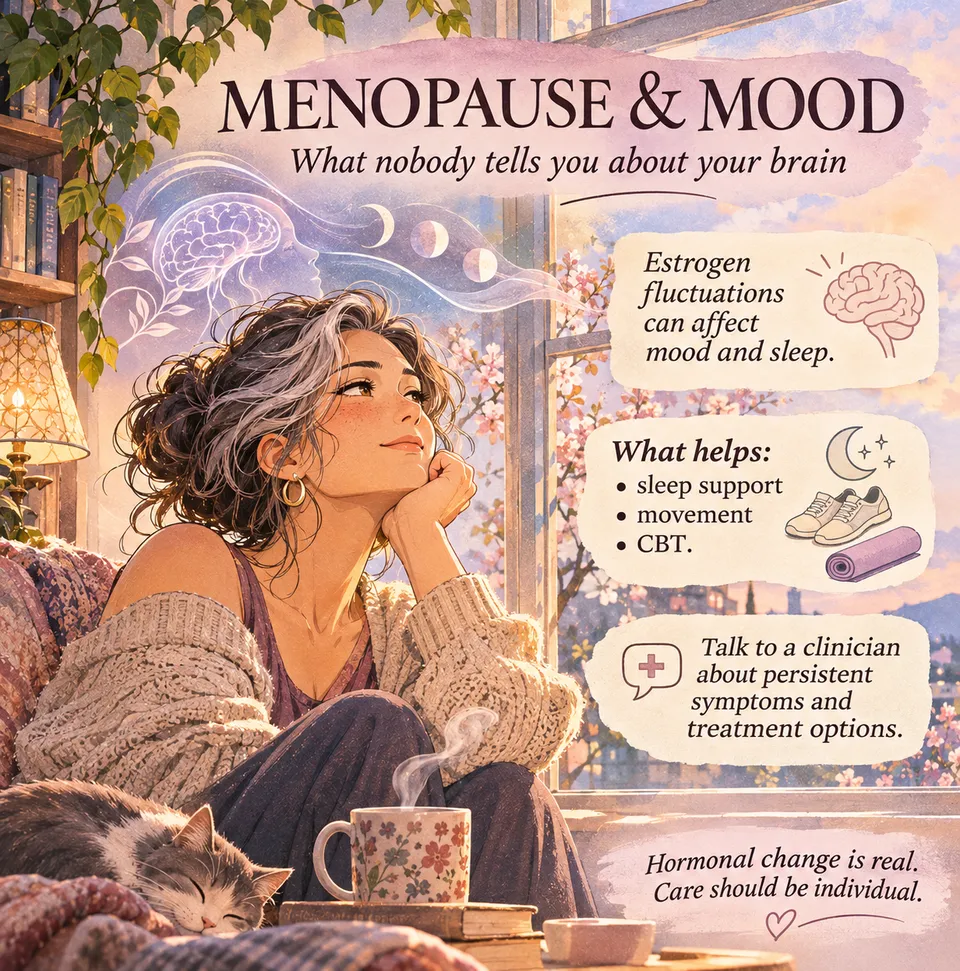
Menopause and Mood: What Nobody Tells You About Your Brain
Perimenopause can shake your mood before it touches your periods. Here is what the research says about oestrogen, the brain, and what helps.

Psychoanalysis: Are You Going to Blame My Mother?
No — and that was never quite the point. What psychoanalysis actually is, what it gave every therapy that came after, whether it works, and why a Gestalt therapist can love it without doing it.

Body Image and the Mirror: Who Is Actually Looking?
Body image is a relationship, not a reflection. What research says about mirrors, comparison and social media, and how to move from looking to sensing.

Sibling Estrangement: When Your Brother Stops Calling
Siblings drift apart more often than anyone admits. Why it happens, what favouritism and inheritance have to do with it, and what repair looks like.

Can We Be Friends? Can I at Least Follow You on Instagram?
Follow, yes. Friends, no — and the no is not a rejection, it is the thing that makes the room work. Here is the honest reasoning, including what you would lose if the answer were yes.

Friendship Breakup Grief: The Loss Nobody Sends a Card For
Losing a close friend hurts like any breakup, but there is no script. Why friendship loss cuts deep, and how to end or mourn one well.
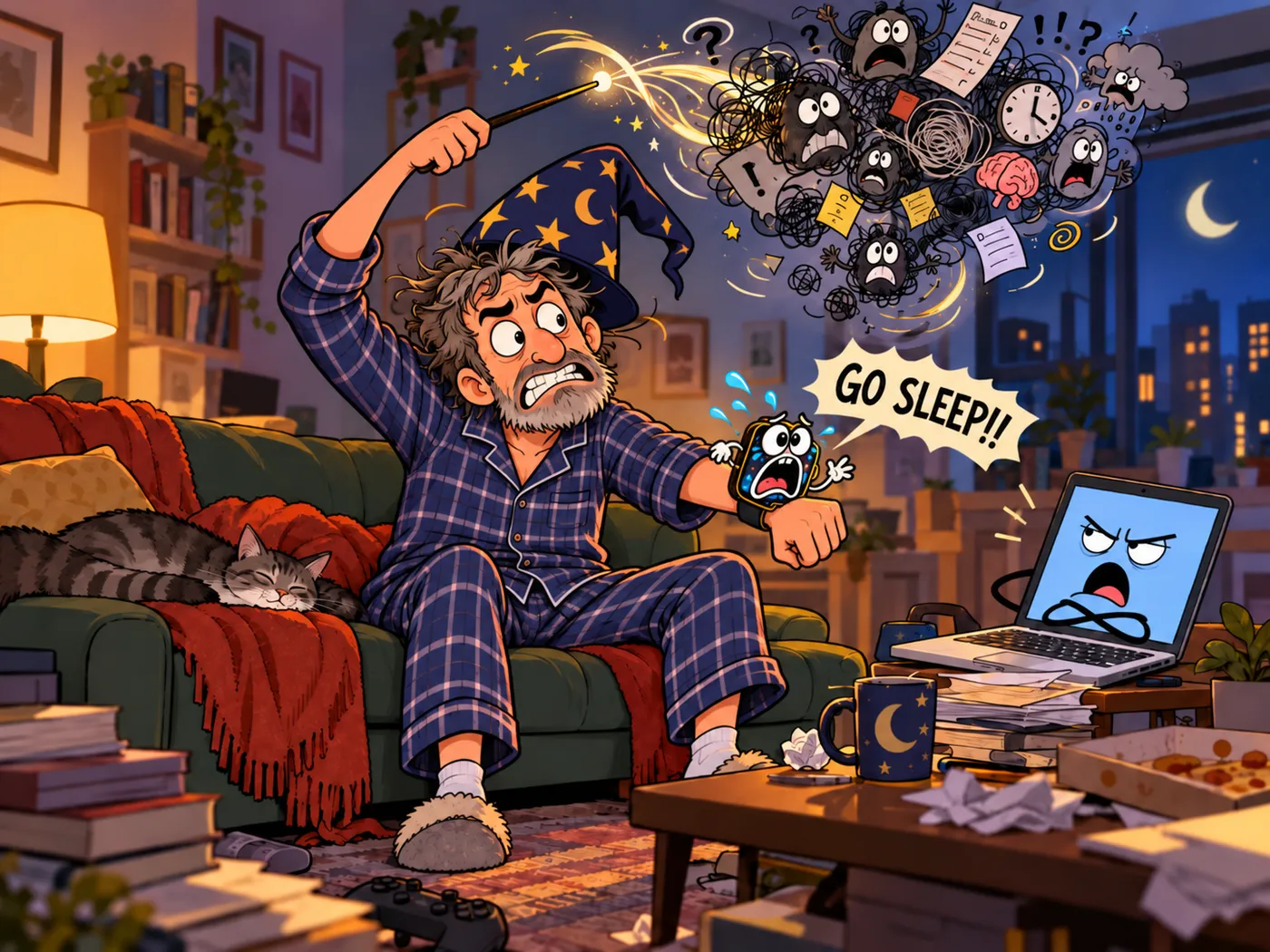
Sleep and Anxiety: Why Your 3 a.m. Thoughts Lie
Night thoughts feel truer because a tired brain loses its brakes. Here is what sleep loss does to anxiety, and what helps.

Video Games as Therapy: Celeste, Spiritfarer, Grief
Some games are quietly doing therapeutic work. What the research says about play and wellbeing, and what Celeste and Spiritfarer get right.
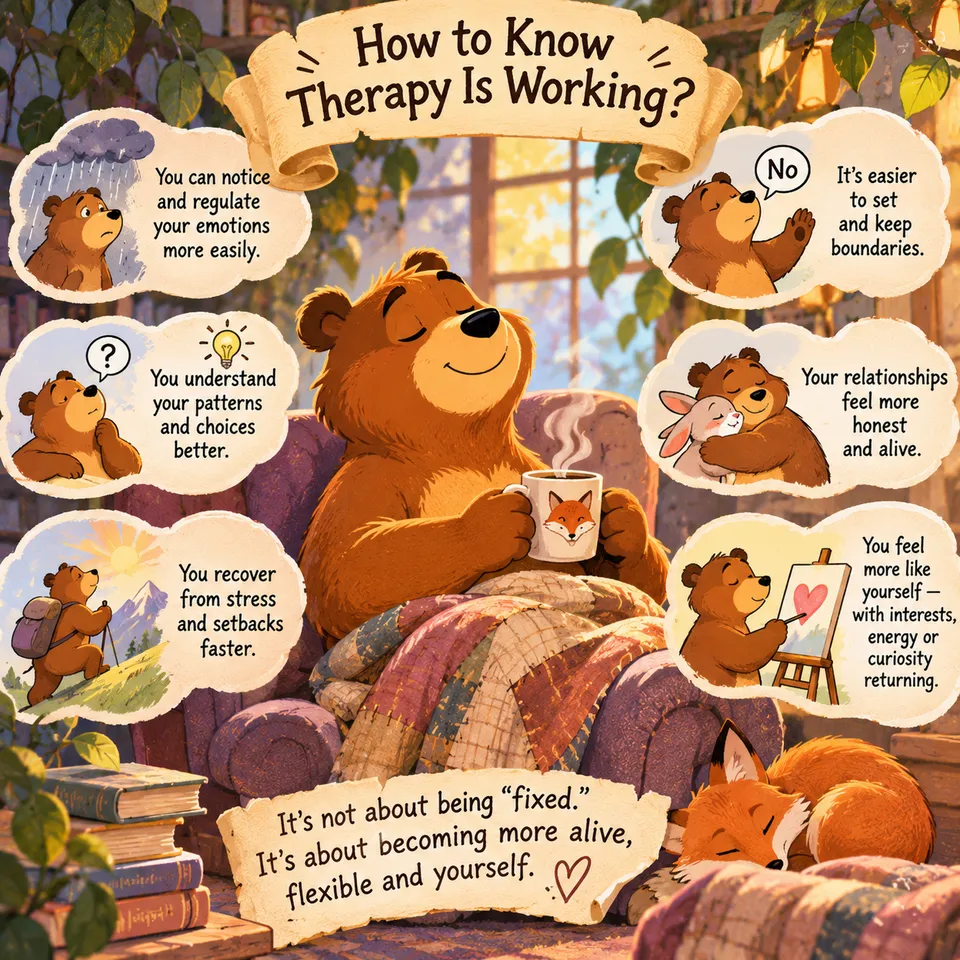
How Do I Know It's Working?
There is no certificate. What you get instead is smaller and stranger — a pause where there used to be a reflex, a sentence you have never said before. Here is how to notice it, including when you can't feel much yet.

Solitude vs Loneliness: Being Alone on Purpose
Alone is a fact. Lonely is a story about it. Here is what research says separates the two, and how to practise solitude without it turning on you.
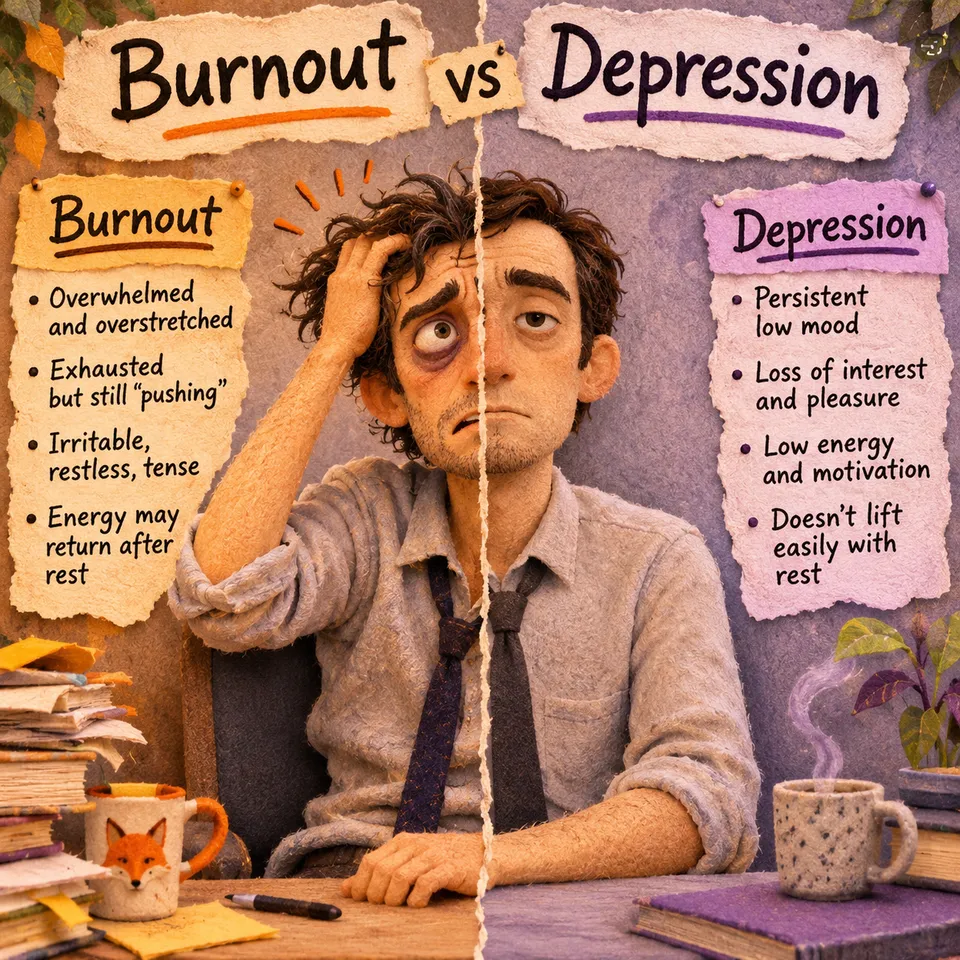
Burnout vs Depression: How to Tell Them Apart
Burnout and depression share a face. Here is how to read the difference, why it changes what you should do next, and a card practice to help.

Imposter Syndrome: Who Decided You're a Fraud?
Imposter syndrome has a history, a prevalence problem, and a serious critique. Find out why you may not be the problem.
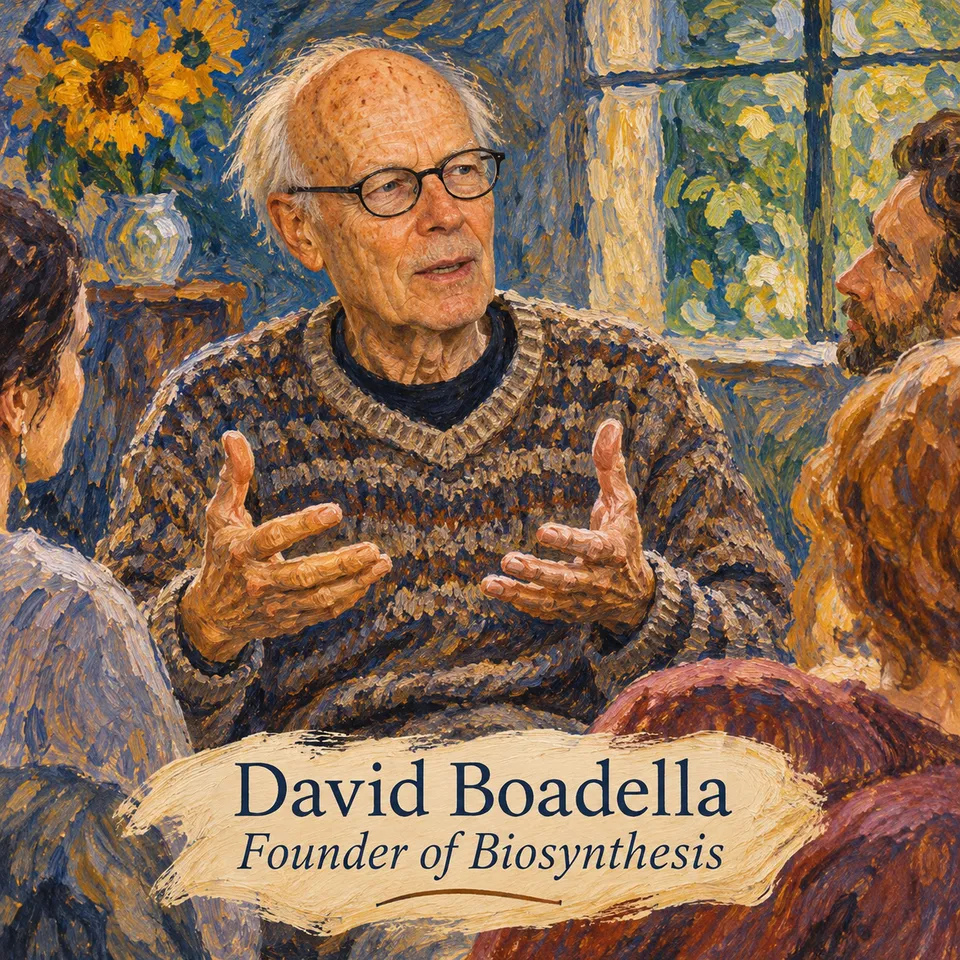
Biosynthesis? Sounds Like a Laboratory.
It isn't. It is a body-oriented psychotherapy with a biologist's name and a gentle method — what it is, where it comes from, what a session does with your breath, and who it suits.

Mother Wound: Reparenting Yourself Without a Script
"Mother wound" is not a diagnosis, but the ache is real. What attachment research and schema therapy actually offer.
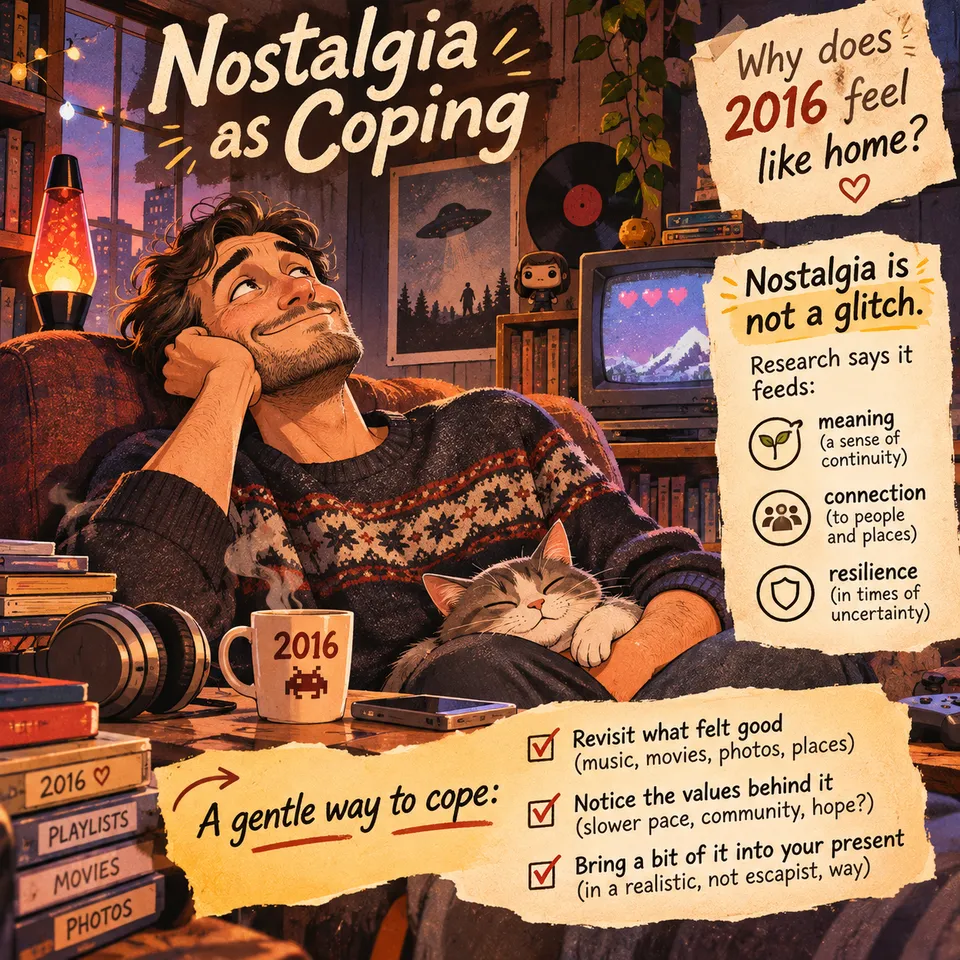
Nostalgia as Coping: Why 2016 Feels Like Home
Nostalgia is not a glitch. Research says it feeds meaning and connection. Here is how to tell comfort from hiding.
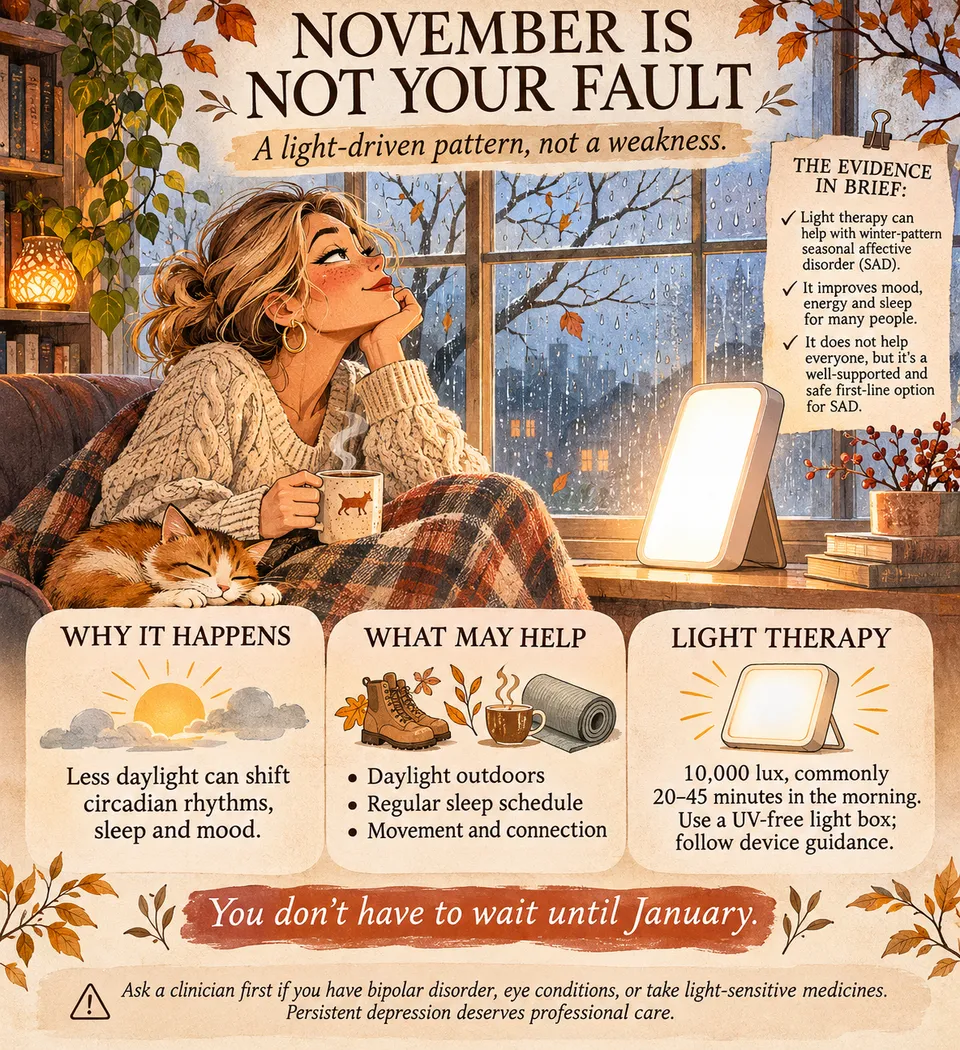
Seasonal Depression: November Is Not Your Fault
Seasonal depression is a real, light-driven pattern, not weakness. What the evidence says about light therapy and what to do before January.
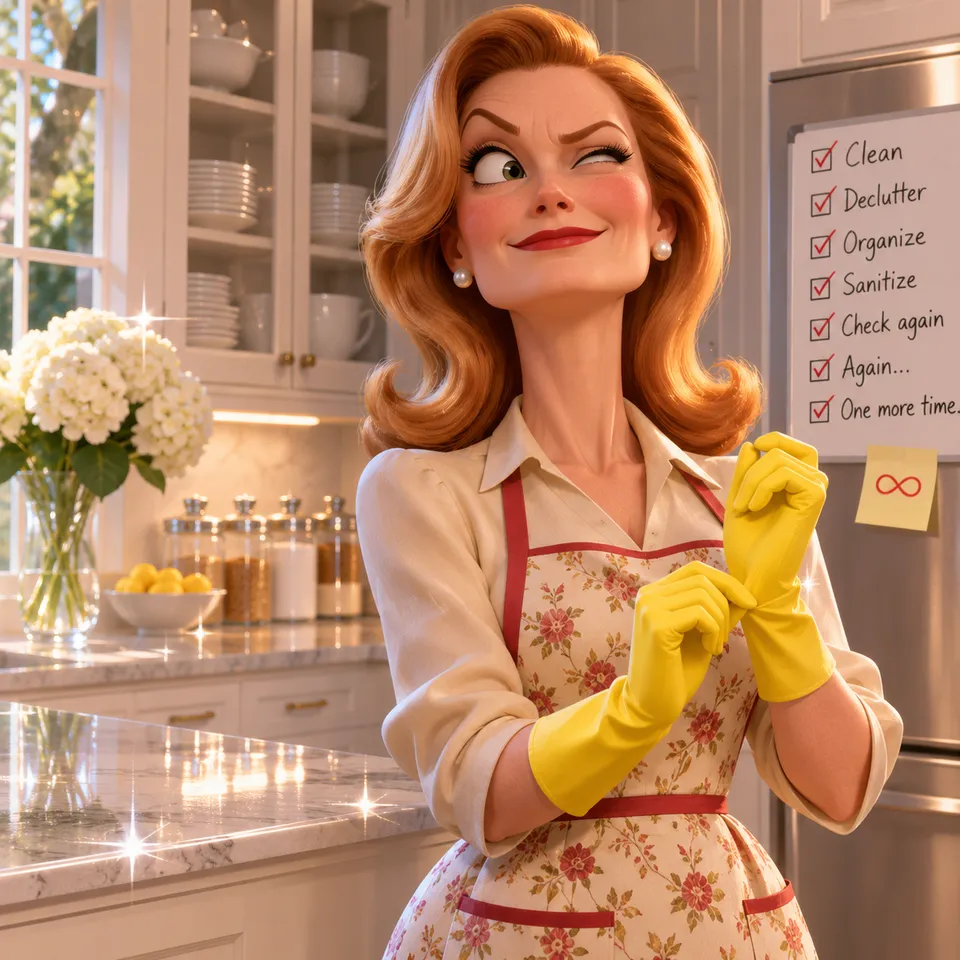
Scrupulosity: When Conscience Becomes OCD
Scrupulosity is moral or religious OCD, not strong ethics. Here is how to tell the difference and why reassurance makes it worse.
"He's Avoidant." — Today's Word Is Attachment Style
The internet turned a theory about babies into a dating horoscope. What attachment actually describes, where "avoidant" and "anxious" come from, and why your style is a weather pattern, not a passport.
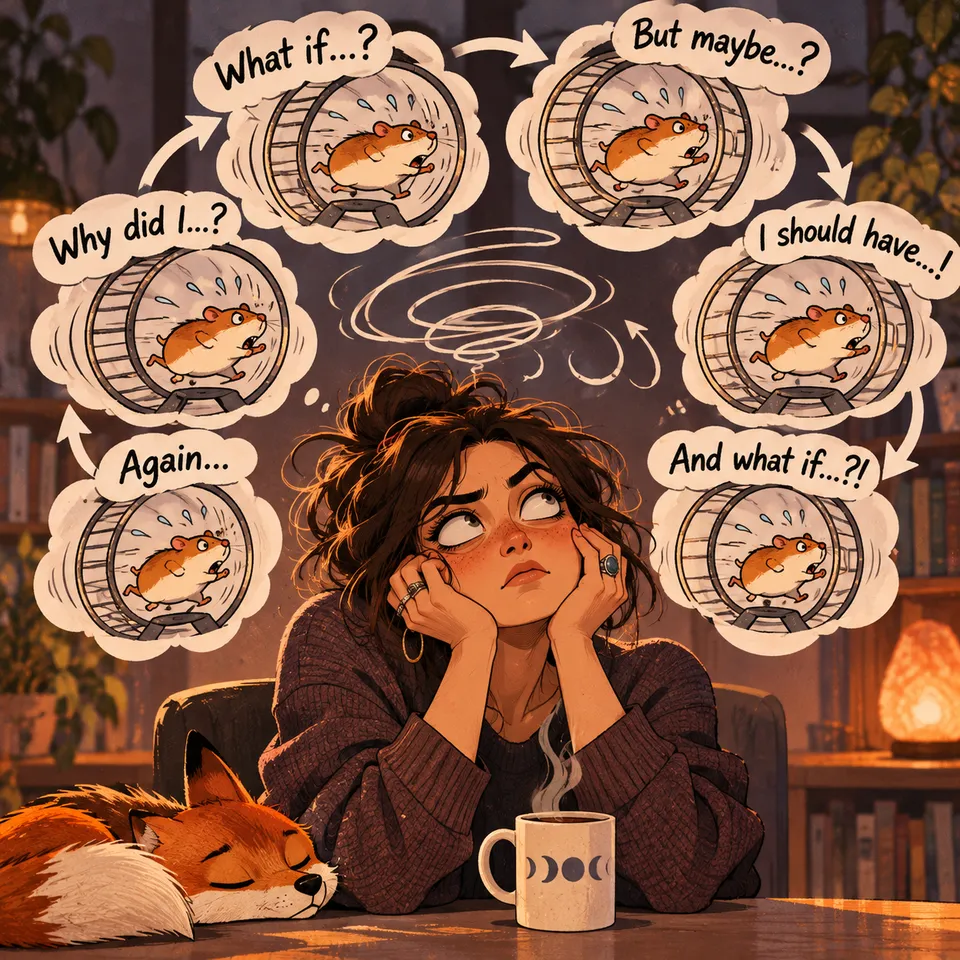
Rumination: Why Your Brain Replays the Same Scene
Rumination is not thinking, it is looping. Here is why the replay never resolves and what the research says actually interrupts it.

Climate Anxiety: When the News Is the Symptom
Climate anxiety is a sane response to real news, not a disorder. Here is what the research says helps, and a card practice for the heavy days.

Porn and Gaming Addiction in Young Men: What Counts?
What the WHO actually calls addiction, what the research shows versus the panic, and why shame is the fuel, not the cure.

Supervision — So Someone's Smarter Than You?
A real question from a real client, and a fair one. What supervision is, what it isn't, what happens in those six hours a month, and why a therapist without it should worry you.

Red Ink, Pedagogical Sadism, and the Right to Make Mistakes
On what happens between two people when one knows something and the other has come to learn it — Soviet notebooks, red ink, the pendulum between cruelty and cotton wool, and why a mistake is information, not a verdict.

Grief and Social Media: Evidence Someone Was Here
Why posting about the dead can help, when it stops helping, and how a card can be the object that remains.

Divorce Party or Couples Therapy? Rituals for Ending Well
Why rituals of ending help, what couples therapy actually does, and a card spread for what you bury and what you keep.

Delulu Is the Solulu: Healthy Delusion or Denial?
Is being a little delusional good for you? The research says yes, up to a point. Here is where the point is, and how to find it.

How Long Is This Going to Take?
Nobody likes the honest answer, so here is the honest answer with numbers in it — what the research says about sessions, what weekly means, and why the slope is more important than the end.

Cortisol Face: What Stress Really Does to Your Body
"Cortisol face" is everywhere online. The hormone is real, the puffy-face theory mostly is not. Here is where stress actually shows up.

Quiet Quitting: What Your Job Is Protecting You From
Quiet quitting is a question in disguise. Not "do I care about work?" but "what would I have to face if I cared less?"

The Great Lock-In: Escaping the Self-Optimisation Trap
The Great Lock-In promises a better you by December. Here is what perfectionism research says about the trap, and how to want things again.

Is It Confidential? Like, Really?
Yes. What that means in practice, what supervision does with your story, what happens if you meet your therapist in a supermarket, and the very short list of things that could ever override it.

Recovering From Fawning: The No You Never Said
Recovering from fawning means learning the difference between kindness and fear, then practising small refusals. Here is how to start.

Boysober and Decentering Men: What a Dating Detox Does
Boysober and decentering men explained — what a dating detox is, what research says about singlehood and self-concept, and what fills the centre.
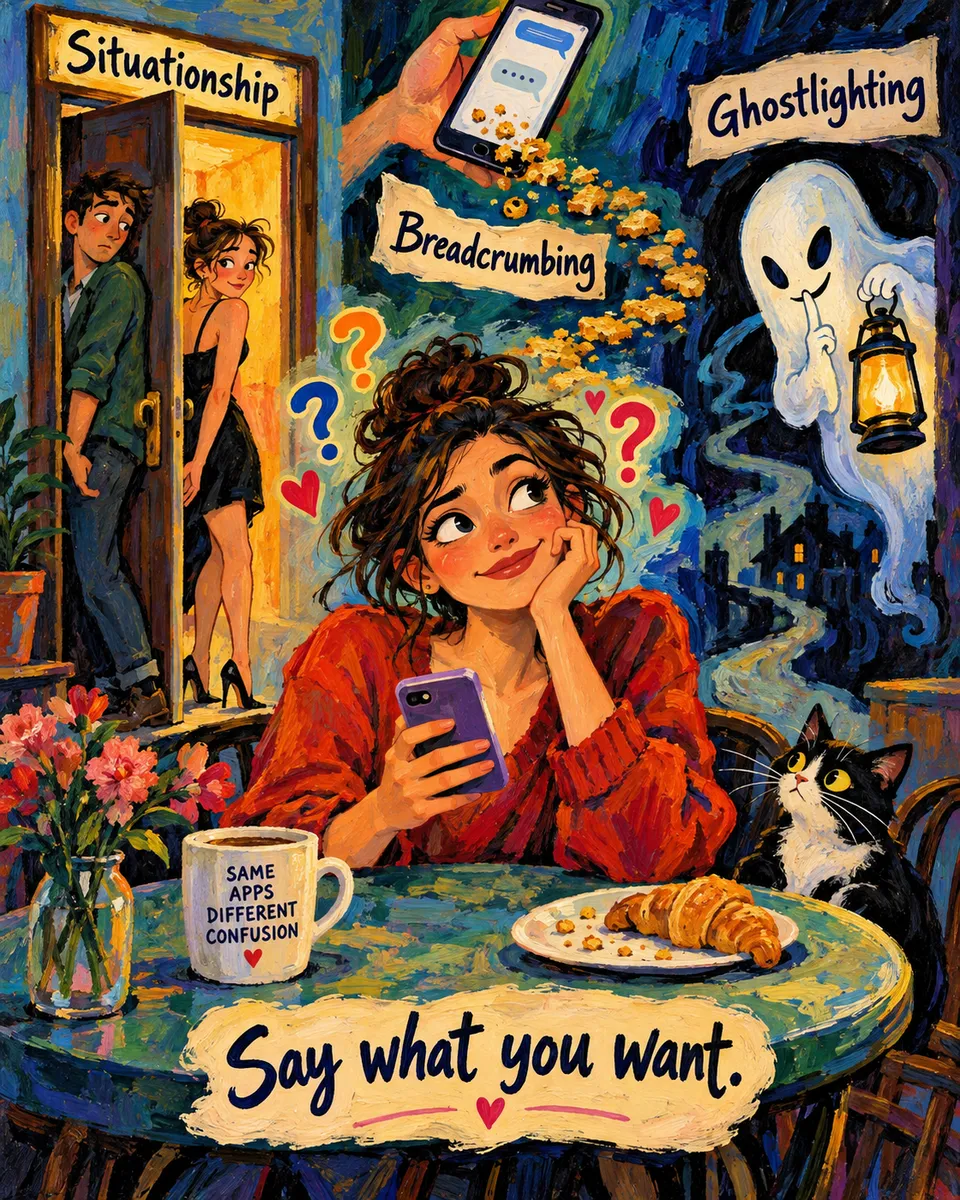
Dating Slang: Situationship, Breadcrumbing, Ghostlighting
Situationship, breadcrumbing, ghostlighting — what the 2026 dating dictionary is really describing, and how to say what you want instead.

"I'm So Borderline." — Today's Word Is Borderline
Said in kitchens about a mood swing, it is a real diagnosis with a strange name, a sensible history, and more hope attached to it than any other personality disorder.

Limerence vs Love — The Crush That Won't Let Go
You think about them constantly and it feels like fate. Dorothy Tennov had another word for it: limerence. How it differs from love, and how it fades.

Therapy Speak — When "Boundaries" Becomes a Weapon
Boundaries, gaslighting, toxic, narcissist. The words were meant to free you; sometimes they're used to win. How to tell, and how to say the real thing.

Adult ADHD and TikTok — Is It Me, or the Algorithm?
You saw a video, and it saw you. What adult ADHD actually is, what research says about ADHD TikTok, and what to do with the feeling of recognition.

What the Hell Is Gestalt — Some German Word?
Yes, German. It means a whole that is more than its parts, and it names a kind of therapy that happens here, now, between two people — not in a file about your childhood.

Rejection Sensitive Dysphoria: The Two-Second Flinch
A short reply, a delayed text, a face that changed. If rejection hits you like a physical blow, here is what RSD is, what it isn't, and what helps.

Male Loneliness: Why Men Don't Talk
Men have fewer close friends than they did a generation ago, and a hundred good reasons not to say so. What the research shows, and what actually helps.

So What Actually Happens in the First Session? Do I Lie on a Couch?
No couch, no forms, no verdict. What a first therapy session is for, what gets decided in it, and the one thing you are allowed to do at the end of it.

Third Places and the Loneliness Epidemic
Loneliness is not a personal failing. It is partly a missing room. What a third place does for your nervous system, and how to build one from scratch.

Parentification: The Child Who Was the Parent
Parentification is when a child holds the family instead of being held. What it looks like, what research says it costs and gives, and how to set it down.

Golden Child vs Scapegoat: How Families Cast Roles
Why one sibling can do no wrong and another can do no right. Family systems theory, the research on favouritism, and how roles get re-cast.

Emotionally Immature Parents: The Lindsay Gibson Effect
What emotionally immature parents do, Gibson's four types, the research behind the idea, and the critique worth hearing before you detach.
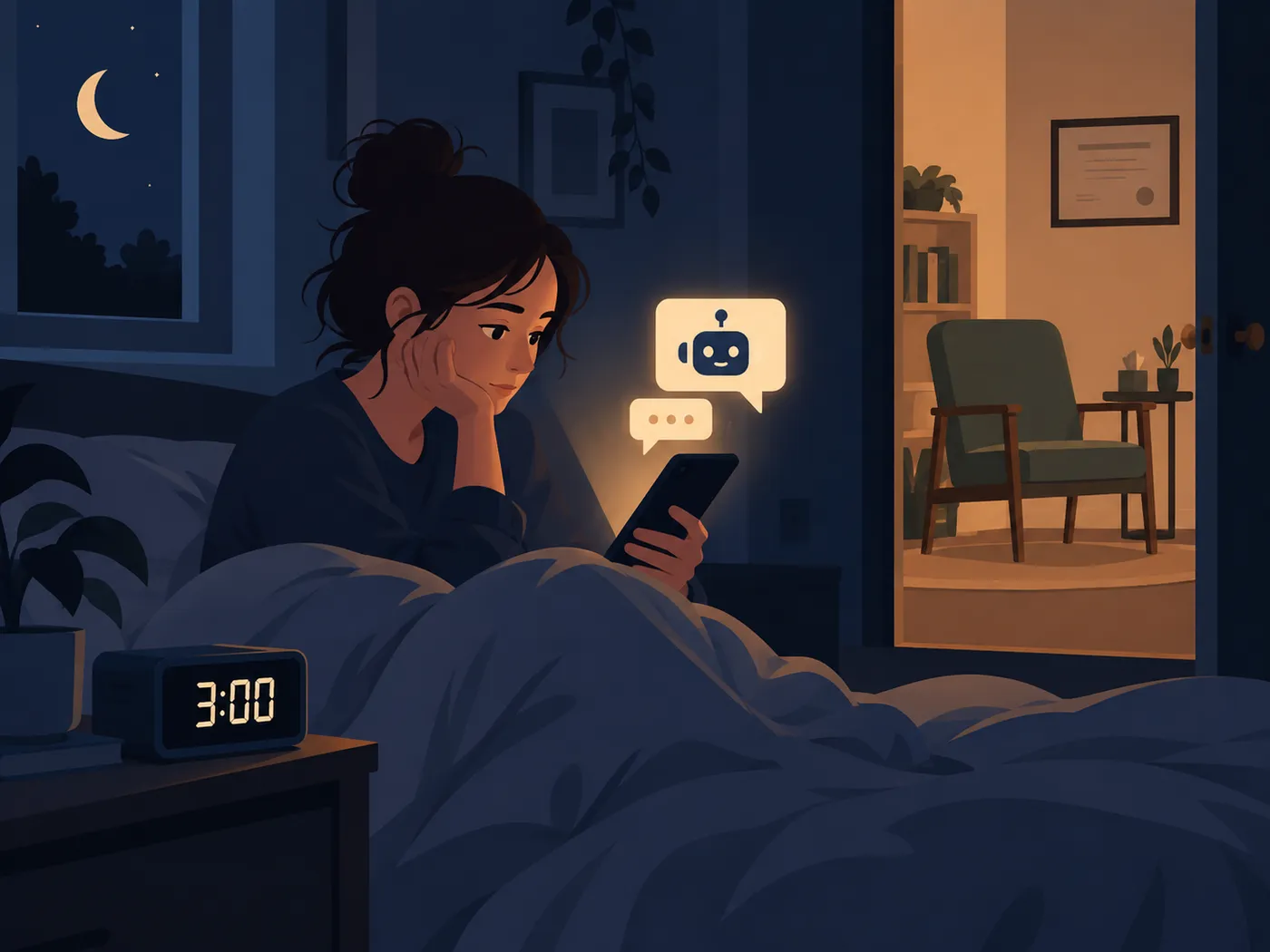
AI Therapist: What a Chatbot Can and Can't Do for You
A chatbot can listen at 3 a.m., but it isn't therapy. Here's what the research says an AI therapist can do, where it fails, and how to use it safely.

Inner Child and Parts: Internal Family Systems Explained
Internal Family Systems says your mind is made of parts, not one voice. What that means, what the evidence shows, and how it differs from being childish.

Hyperindependence: When "I Don't Need Anyone" Is Trauma
Hyperindependence is not a diagnosis, but compulsive self-reliance is a well-studied way people cope after being let down. Here is how to tell the difference.

Anxious vs Avoidant Attachment: What TikTok Gets Wrong
Anxious and avoidant attachment are patterns, not permanent types. Here is what the research actually says, and why your "style" can change.

Anhedonia: When Nothing Feels Like Anything
Anhedonia means losing the ability to feel pleasure. What it is, how it links to depression, and a small daily practice that helps the reward system.

Doomscrolling and Dopamine Detox: What Research Says
Dopamine detox is mostly myth, but cutting screen time does help mood and sleep. Here's the evidence, and a gentler way to stop scrolling.

AI Companions: Why Millions Are Dating a Chatbot
Why people fall for AI companions, what the research shows about loneliness, and what a relationship needs that a mirror can't give.

Eldest Daughter Syndrome: The Child Who Ran the House
Eldest daughter syndrome isn't a diagnosis, but parentification is real. What research says about birth order, family roles and the kid who held it together.

No Contact: Family Estrangement Explained
Going no contact with family is more common, more ambivalent and less final than the internet suggests. Here is what the research shows, and a card practice.

Shadow Work: What Jung Actually Meant
Shadow work went viral, but Jung’s idea is older and stranger than a journal prompt. What the shadow is, how projection works, and what a notebook can do.

Vagus Nerve Reset: What It Really Means
A "vagus nerve reset" is mostly slow breathing with a dramatic name. Here is what the science supports, what it doesn't, and how to use it anyway.
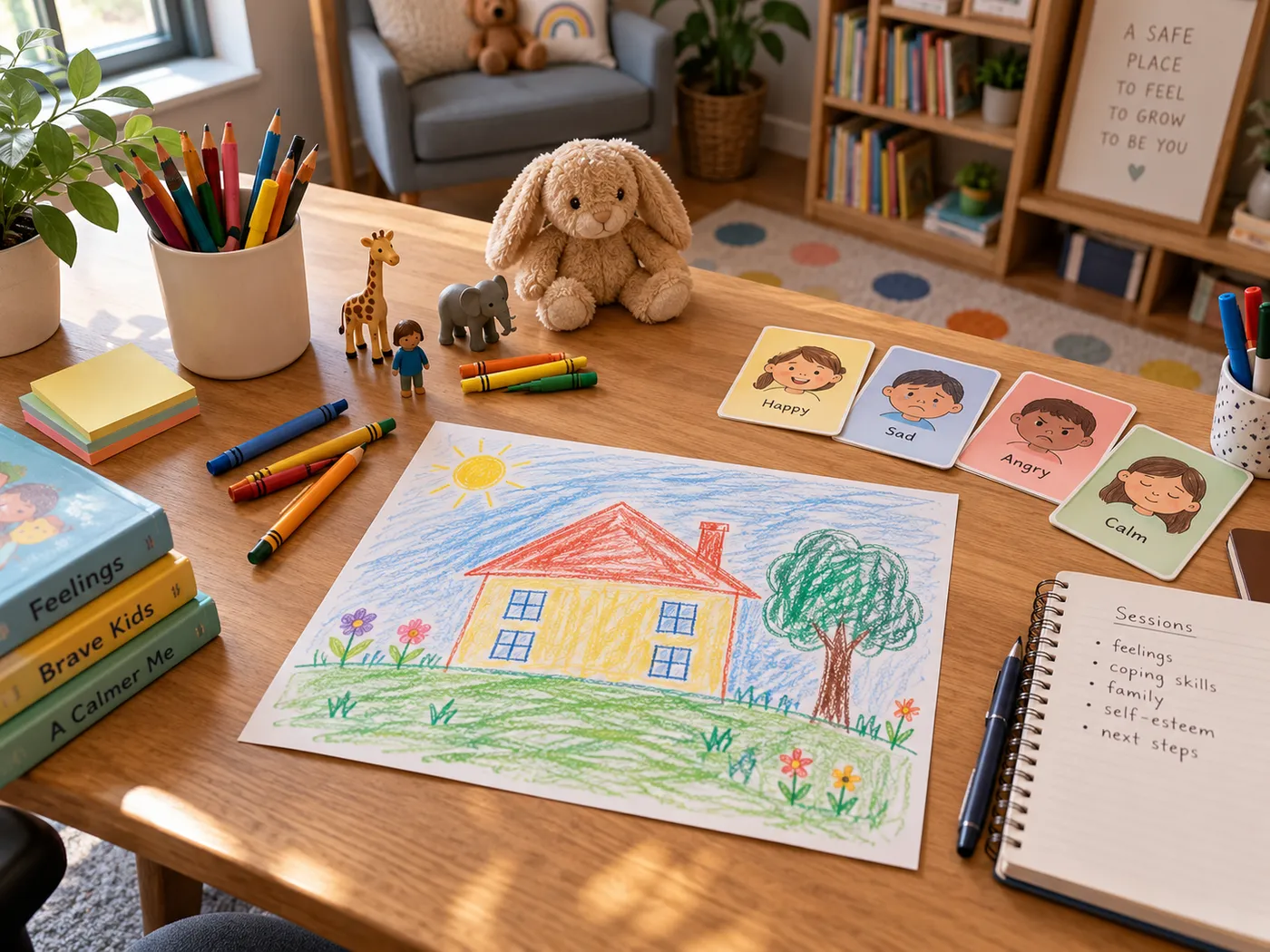
Children's Drawings: What Psychologists Actually See
Children's drawings are not secret codes. What drawing tests really measure, why black crayon is just black crayon, and what psychologists do notice.

Art Therapy for Children: Why Kids Draw What They Can't Say
Art therapy for children uses drawing and making as a language. Here is what it is, what a therapist does, and what a parent can safely read into a drawing.
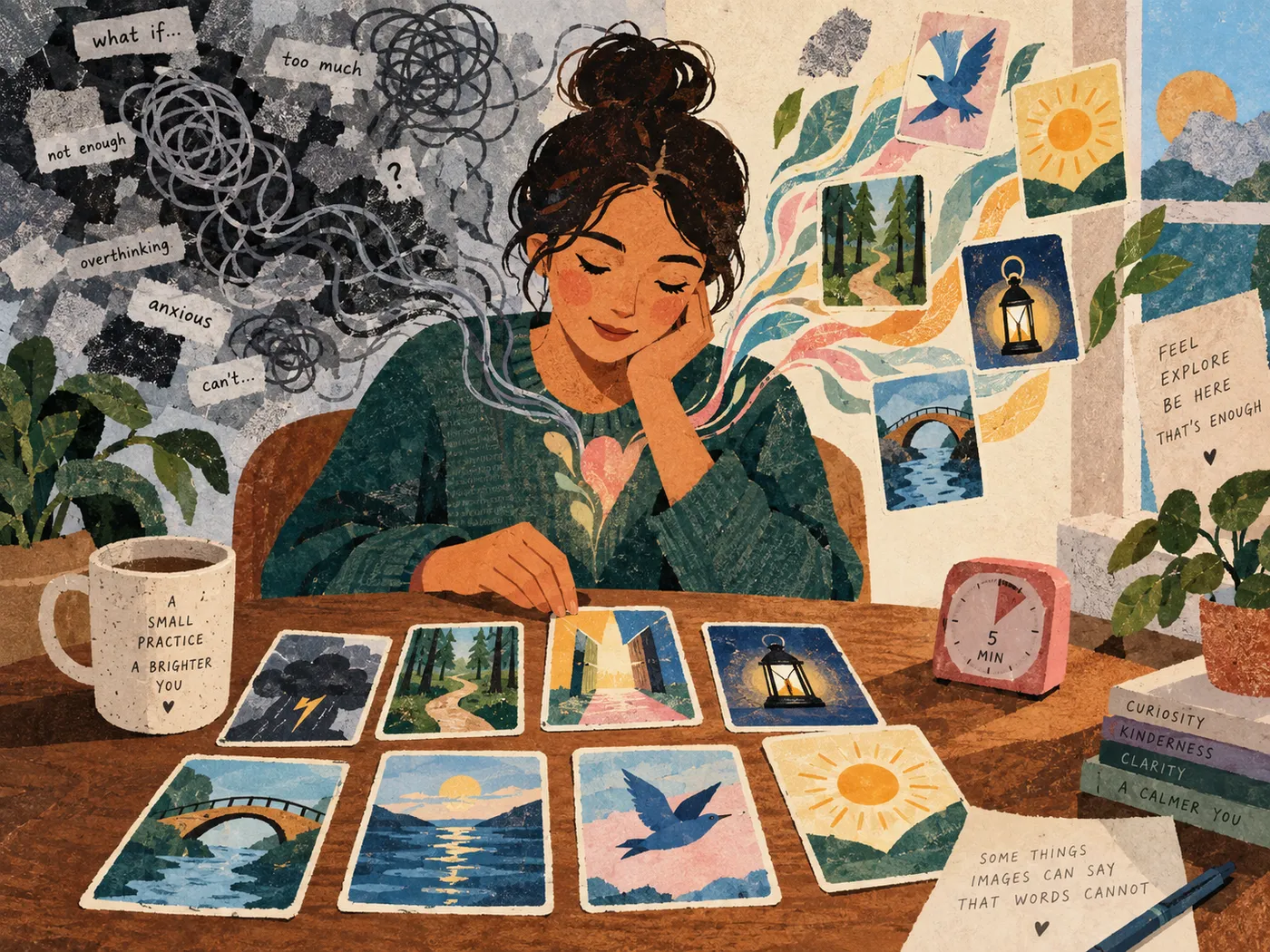
When You Can't Find the Words: Metaphorical Cards for Anxiety
Anxiety is loud, but rarely articulate. How metaphorical associative cards help you notice, name, and soften what you feel, plus a gentle 5-minute card practice to try.

Kintsugi and Post-Traumatic Growth: The Beauty of Golden Cracks
In Japan, broken bowls are mended with gold, and the cracks become the most beautiful part. What kintsugi can teach us about trauma, healing, and growth, without the toxic positivity.

Fight, Flight, Freeze, or Fawn: The 4 Trauma Responses Explained
Why do some people argue, some run, some go blank, and some apologize to the chair they bumped into? Meet the four survival responses, and learn to recognize your own.
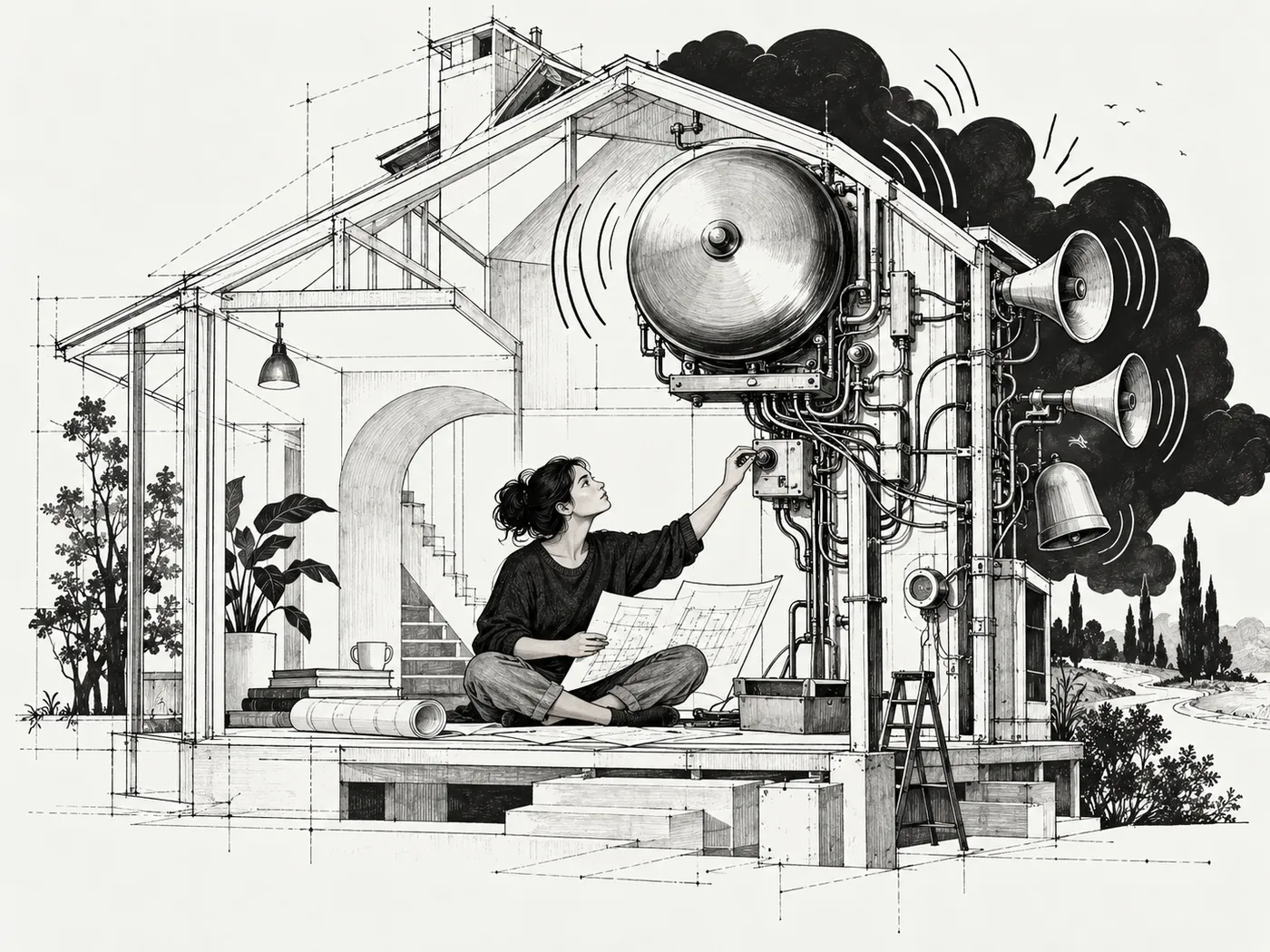
Form Follows Function: Why Your Anxiety Has a Job
Architects say form follows function. So do your symptoms. A fresh look at anxiety as an overprotective alarm: why it exists, why it misfires, and how to work with it instead of against it.

Art Therapy: Why Making Something "Ugly" Can Make You Feel Better
No talent required. Just paper, color, and permission to be messy. What art therapy is, what research says about art and well-being, and a 10-minute exercise to try today.

Stendhal Syndrome: Can Art Literally Overwhelm You?
A racing heart in front of a painting. Dizziness in a church full of frescoes. The strange, true story of Stendhal syndrome, and what it reveals about beauty, the brain, and being human.

Why Is Everyone So Anxious? Modern Anxiety, Explained
Notifications, news, endless choices, climate worry, comparison. Why modern life keeps your nervous system on high alert, what research says, and small ways to turn down the volume.

Encanto and Generational Trauma: What the Madrigals Teach Us About Family
A magical house, a family of gifts, and cracks nobody wants to talk about. What Encanto reveals about generational trauma, family roles, and healing together.

The Myth of Normal: Gabor Maté on Trauma, Illness, and a Tired World
What if "normal" is part of the problem? A warm, honest look at Gabor Maté's The Myth of Normal: its big ideas about trauma, where it shines, and where science pushes back.

The Body Keeps the Score: What It Gets Right (and What Critics Say)
Bessel van der Kolk's bestseller changed how millions talk about trauma. Here's what the book gets beautifully right, what scientists still argue about, and why both matter.

Metaphorical Cards in therapy: Why Images Can Help Us Say What Words Cannot
Metaphorical cards are not magic, mind-reading devices, or tiny cardboard psychoanalysts. It's another way to approach emotions, memories, and stories that are difficult to put into words.