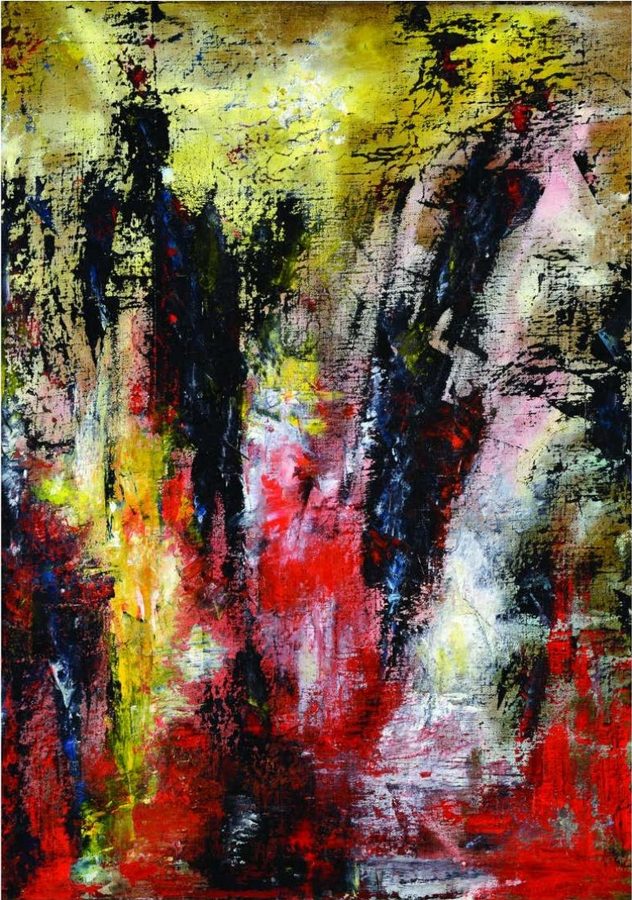
metaphoric cards, no strings attached

An image that looks back at you.

No horoscope, no verdict. Just a card, a few unhurried questions, and whatever your own mind brings to the table. Sometimes that's the whole point.

ready when you are

Draw today's card

No need to read anything first — one quiet image, right when you want it.

one-to-one, online

Book a session with me

A guided session is a quiet time with the cards, side by side. Pick a slot — a Google Meet link lands in your inbox.

FAQ — go on, dare to peek

Eight suspiciously reasonable questions

Yes, fine — questions. We tried to make them less boring than usual.

Is this fortune-telling or Tarot?

No. Metaphorical associative cards do not predict the future, diagnose conditions, or channel mystical messages. Meaning does not reside inside the card—it emerges in the encounter between the image and the person looking at it. It is a projective psychological tool designed for reflection and personal insight.

(Tarot cards, incidentally, can absolutely be used this same way too — set the fortune-telling aside, and a Tarot card is just another rich, symbol-dense image waiting for your own associations.)

What if a card irritates me or makes me uncomfortable?

Pay attention to that. Strong resistance or irritation is often just as informative as an immediate feeling of warmth. An image that annoys you is touching something specific. What detail catches your eye? Why does it push you away? That reaction itself is where the exploration begins.

What if I feel absolutely nothing looking at an image?

That is entirely normal. Sometimes an image is just an image. You can draw another card, pause, or simply notice what it feels like to have no immediate association. Emptiness or neutrality is a valid state of awareness in itself.

Do I need a specific question before drawing a card?

Not at all. You can arrive with a concrete dilemma, a tangled feeling, or pure curiosity. Sometimes the most interesting reflections happen when you have no agenda and simply let an image surprise you.

Why write down reflections under the card?

Putting fleeting impressions into words anchors them. First spontaneous reactions—before the inner editor steps in—often reveal what is genuinely present. However, writing is always optional; you can simply look and move on.

What is “The Path Behind” and how does it work?

For authenticated users, every card you draw is chronologically preserved in your personal history, along with any notes you chose to write. Over time, this creates a dynamic sequence—a visual record of recurring themes, shifts in focus, and personal milestones.

Are my notes and reflections private?

Yes, strictly private. Your saved cards, notes, and reflections are securely tied to your personal account and cannot be viewed by other users.

Does using this site replace psychotherapy?

No. This tool is a reflective companion for curiosity, pattern recognition, and self-observation. It is not clinical therapy, diagnostic assessment, or crisis intervention.

What Happens When an Image Looks Back at You?

You’re in a museum, twenty paintings deep, feet aching, dignity intact. Then, for no reason you could defend in court, you stop. A colour. An empty chair. A patch of light nobody asked you to notice.

No plaque explains it. There is no small card reading this one will make you unexpectedly sad. And yet:

Oh. I know this feeling.

Congratulations. You already know how metaphorical cards work. You just hadn’t been told.

An image is never only an image

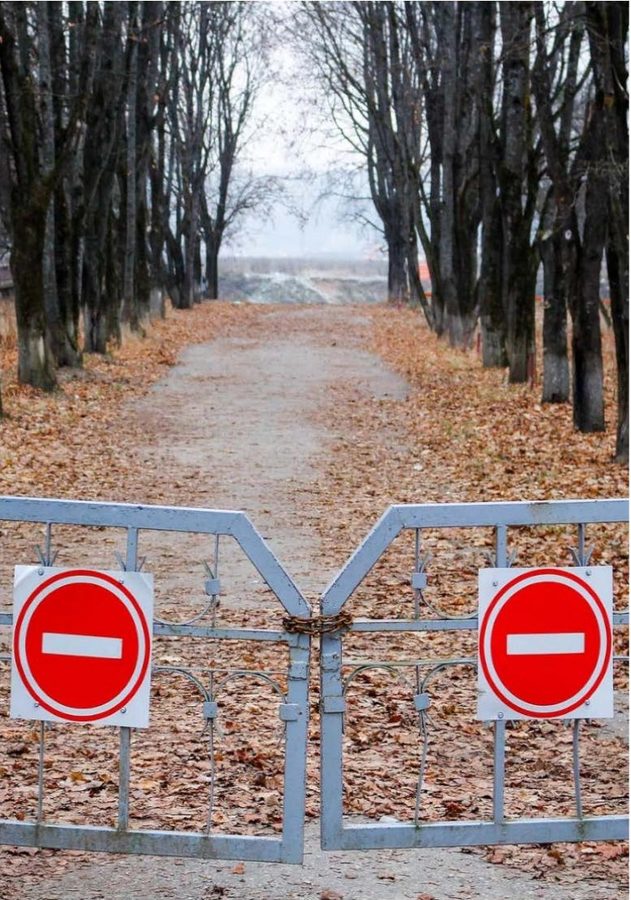
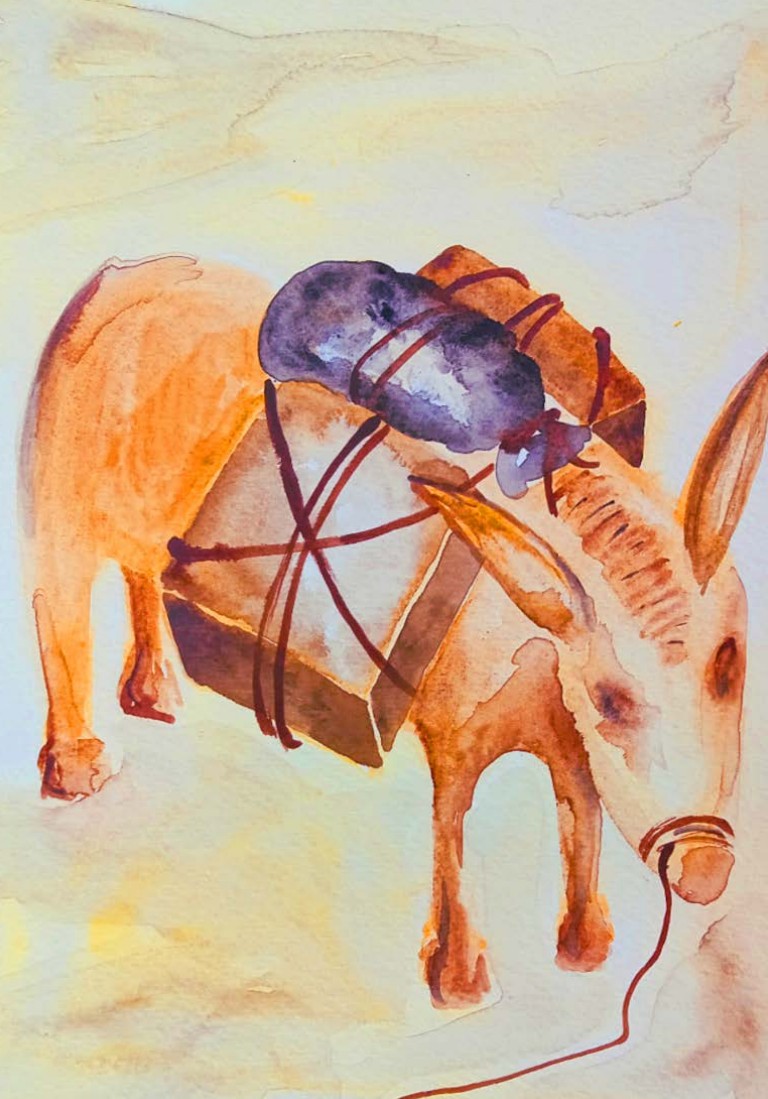
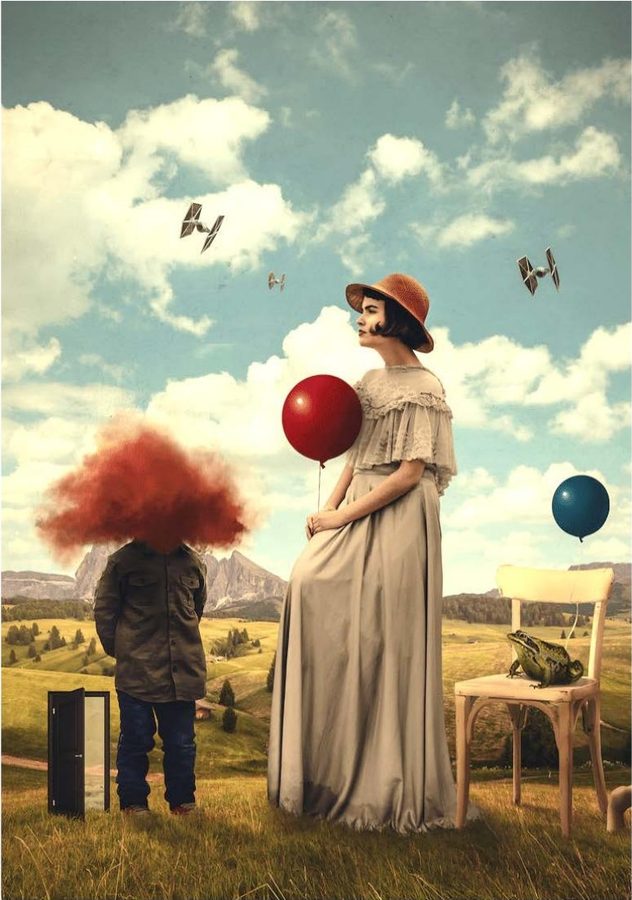
A fairy-tale forest with a glowing skull. A face assembled from coloured squares, mildly surprised to exist. A cheerful explosion that refuses to be about anything.

Three strangers who wouldn’t share a lift. Each one works as a metaphor, because the interesting question was never what does this officially mean. The interesting question is rude and simple:

What happens in you when you look at it?

A very small experiment

Picture a house at night. One lit window. That’s all you get.

One person says: Finally. Peace. Another: Someone’s waiting for me. A third has seen enough horror films and is already backing towards the exit.

Same house. Who’s right? All of them, which is exactly the point. Correctness left the building some time ago; it was never very good company anyway.

So what are they, exactly?

The dull version: images used to prompt association and reflection. True, and about as thrilling as a tax form.

The real version: we don’t look at the world like cameras. We look like people — remembering, dreading, hoping, pattern-matching at indecent speed. Ask yourself how you feel about your life right now and the only honest answer is I have no idea. Flip through twenty pictures and suddenly —

This one.

Why? No idea. Good. Now we have somewhere to start.

The card doesn’t know what it means

There’s no secret dictionary. A wolf isn’t automatically aggression; a river hasn’t signed anything about “the passage of time.” Meaning doesn’t live in the card. It shows up in the meeting between the picture and the person looking at it — a little startled, like two people reaching for the same umbrella.

A card won’t diagnose you or reveal your unconscious in one dramatic flourish. What it offers is smaller and far more useful:

a place to start asking questions from.

And sometimes a card is just a card. Although even that can turn into a metaphor — Magritte painted a pipe and spent the rest of his life explaining that it wasn’t one.

Shall we?

Pick a deck. Bring a question, or don’t. Notice the small pull, the flicker, the sudden internal this one.

Stay there a second. What do you see? What do you feel? If it could speak for you just once, what would it say?

There might be an answer in there. More likely, a much better question. Either way, you won’t be looking alone.

a quiet moment, one image at a time

Sit with a card.
See what rises.

This is a small space for working with metaphoric cards — images with no fixed meaning, only the one you find in them. Choose how you'd like to begin.

Every deck has its own images — you'll choose one before you draw.

one-to-one, online

Would you like to go deeper with a guide?

A guided session is a quiet hour with the cards and one other person in the room: I hold the questions, you follow the image wherever it leads. Pick a time and a Google Meet link arrives in your inbox.

before you draw

What's on your mind right now?

A feeling, a question, a situation you're turning over. Keep it in your mind as you draw — this stays between you and the page, nothing is saved.

before you draw

Which deck calls to you?

Each deck has its own images and its own mood. Pick the one you'd like to draw from today.

before you draw

How would you like to choose?

Two ways to meet a card — pick whichever feels right today.

open selection

Notice what calls your attention

A small field of possibilities, not the whole deck. Look slowly — you can choose one or two cards.

Choose 1 or 2 cards that catch your attention.

a body, some colours, no wrong answers

Emotion map

Choose a colour for a feeling and paint where you notice it in your body. There are no right places — only yours.

Pinch inside the frame to zoom, or use the + and − buttons.

What your colours mean

A note for today

Everything stays on your device. Nothing is uploaded — not the drawing, not the names, not the note.

If painting stirs up more than feels bearable right now, you don't have to carry it alone. findahelpline.com lists free, confidential lines in your country.

a map, not a verdict

Pentagram

A map of the five dimensions of a person, after Serge Ginger

Your star is kept only in this browser, on this device. Nothing is uploaded.

A prototype for reflection between therapy sessions. The pentagram model is described by Serge Ginger in Gestalt: The Art of Contact. This tool does not replace a therapist. If you feel unsafe, contact local emergency services — findahelpline.com lists free, confidential lines in your country.

FAQ — frequently asked, occasionally answered

Eight suspiciously reasonable questions

The same eight questions as the little squares on the homepage — laid out here in a calmer row, for people who prefer reading to pushing.

Questions answered? A card is waiting.

the path behind

My journey

Every card you've drawn, in order — with whatever you chose to write down.

ready when you are

Add another card to this journey

One more image, whenever you'd like — it joins this journey right alongside the rest.

This journey gathers your cards and reflections for two weeks. When the two weeks are up, it gently closes and a new one quietly begins — nothing is lost, the finished journey just moves down into "past journeys" below.

Nothing drawn yet — your path will appear here.