tags
#nervous system
14 posts

Psychology of Horror: Why We Pay to Be Scared
Benign masochism, excitation transfer and fear as rehearsal. Why horror feels good, what it trains, and a card practice for the image you avoid.

Music for Nervous System Regulation: A Playlist Guide
Music changes heart rate, cortisol and mood. Learn the iso-principle and build a regulation playlist that meets you where you are, then moves you.

Containing — Like a Box? Today's Word
A word therapists use constantly and almost never explain. What it means to contain a feeling, where the idea comes from, what it looks like in a room, and the film that shows it in one scene.

Men and Crying: What Tears Are Actually For
Humans are the only animals that weep. Here is what tears do, what suppressing them costs men, and what changes when you cry in front of someone.

Sleep and Anxiety: Why Your 3 a.m. Thoughts Lie
Night thoughts feel truer because a tired brain loses its brakes. Here is what sleep loss does to anxiety, and what helps.
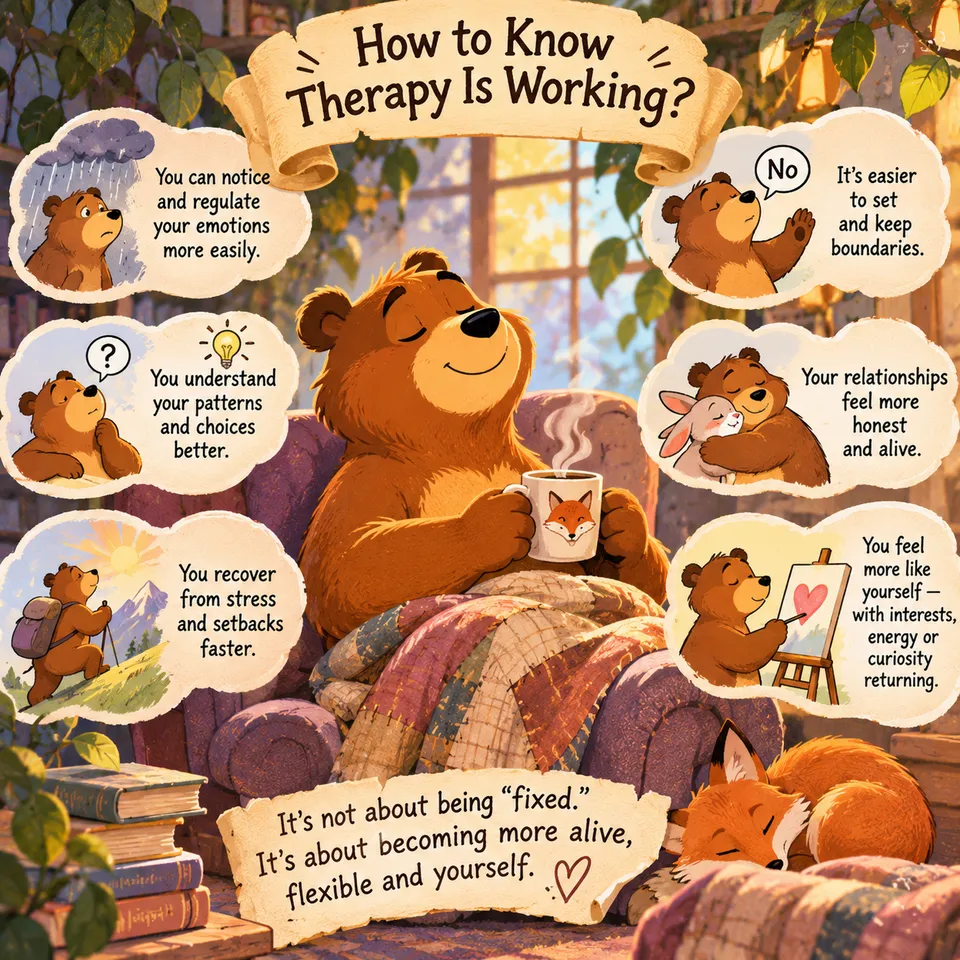
How Do I Know It's Working?
There is no certificate. What you get instead is smaller and stranger — a pause where there used to be a reflex, a sentence you have never said before. Here is how to notice it, including when you can't feel much yet.

Biosynthesis? Sounds Like a Laboratory.
It isn't. It is a body-oriented psychotherapy with a biologist's name and a gentle method — what it is, where it comes from, what a session does with your breath, and who it suits.
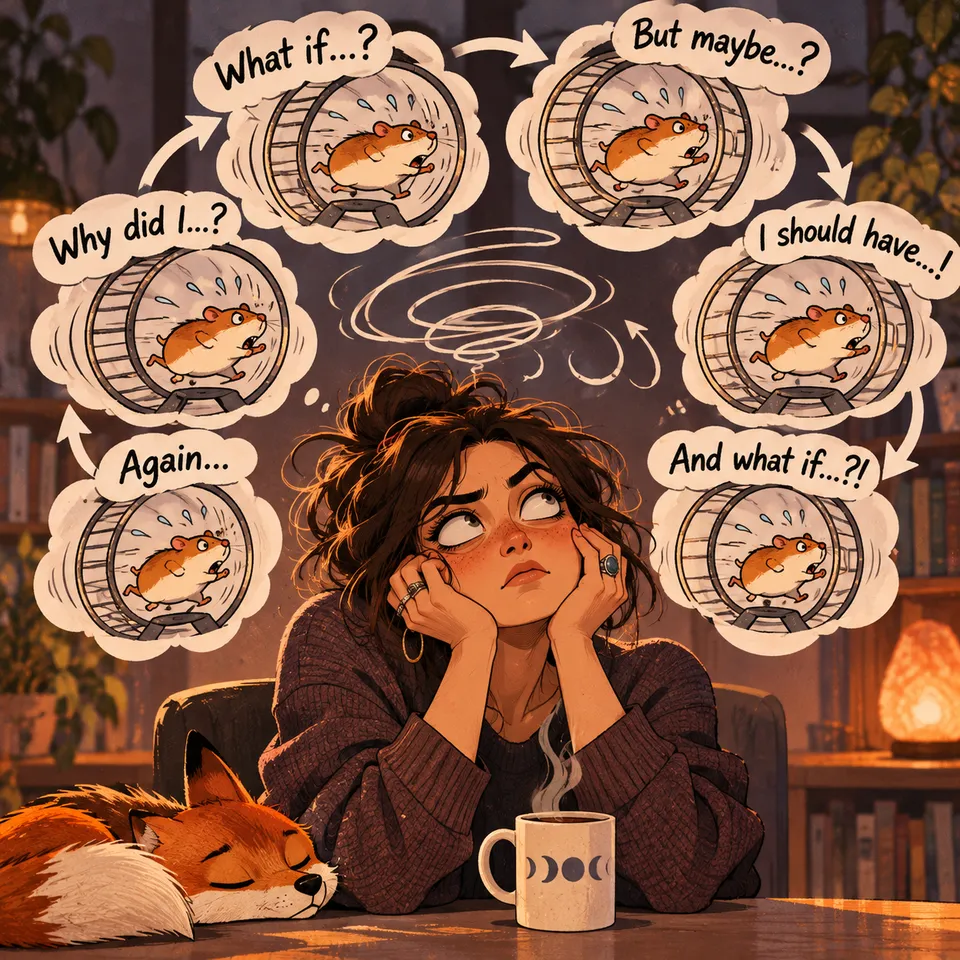
Rumination: Why Your Brain Replays the Same Scene
Rumination is not thinking, it is looping. Here is why the replay never resolves and what the research says actually interrupts it.

Anhedonia: When Nothing Feels Like Anything
Anhedonia means losing the ability to feel pleasure. What it is, how it links to depression, and a small daily practice that helps the reward system.

Doomscrolling and Dopamine Detox: What Research Says
Dopamine detox is mostly myth, but cutting screen time does help mood and sleep. Here's the evidence, and a gentler way to stop scrolling.

Vagus Nerve Reset: What It Really Means
A "vagus nerve reset" is mostly slow breathing with a dramatic name. Here is what the science supports, what it doesn't, and how to use it anyway.

Fight, Flight, Freeze, or Fawn: The 4 Trauma Responses Explained
Why do some people argue, some run, some go blank, and some apologize to the chair they bumped into? Meet the four survival responses, and learn to recognize your own.
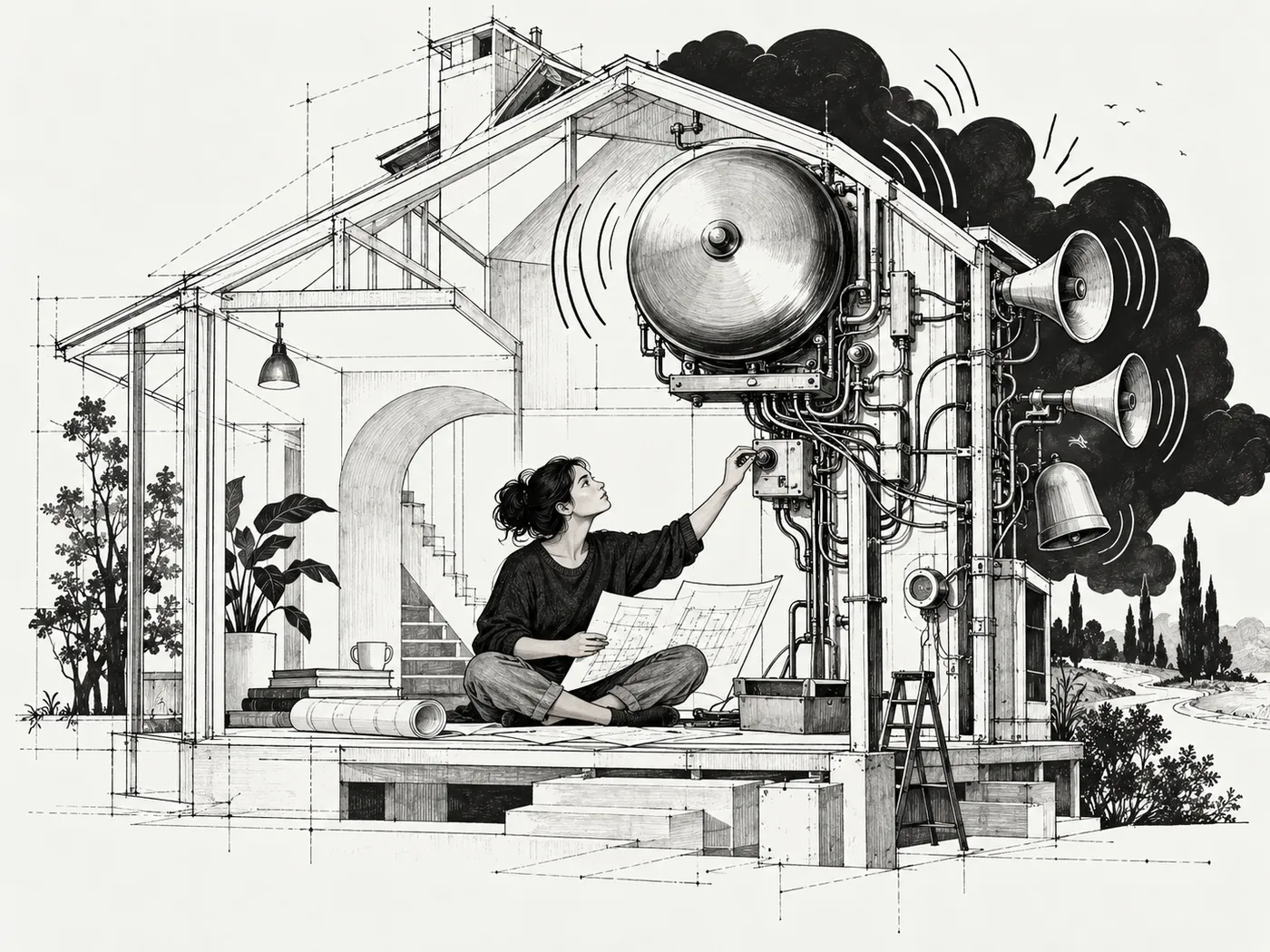
Form Follows Function: Why Your Anxiety Has a Job
Architects say form follows function. So do your symptoms. A fresh look at anxiety as an overprotective alarm: why it exists, why it misfires, and how to work with it instead of against it.

The Body Keeps the Score: What It Gets Right (and What Critics Say)
Bessel van der Kolk's bestseller changed how millions talk about trauma. Here's what the book gets beautifully right, what scientists still argue about, and why both matter.