tags
#social media
11 posts

Envy as Information: The Feeling You're Not Allowed to Have
Envy is the emotion nobody admits to. Research says it comes in two kinds, and one of them is a map to what you actually want.

Body Image and the Mirror: Who Is Actually Looking?
Body image is a relationship, not a reflection. What research says about mirrors, comparison and social media, and how to move from looking to sensing.

Climate Anxiety: When the News Is the Symptom
Climate anxiety is a sane response to real news, not a disorder. Here is what the research says helps, and a card practice for the heavy days.
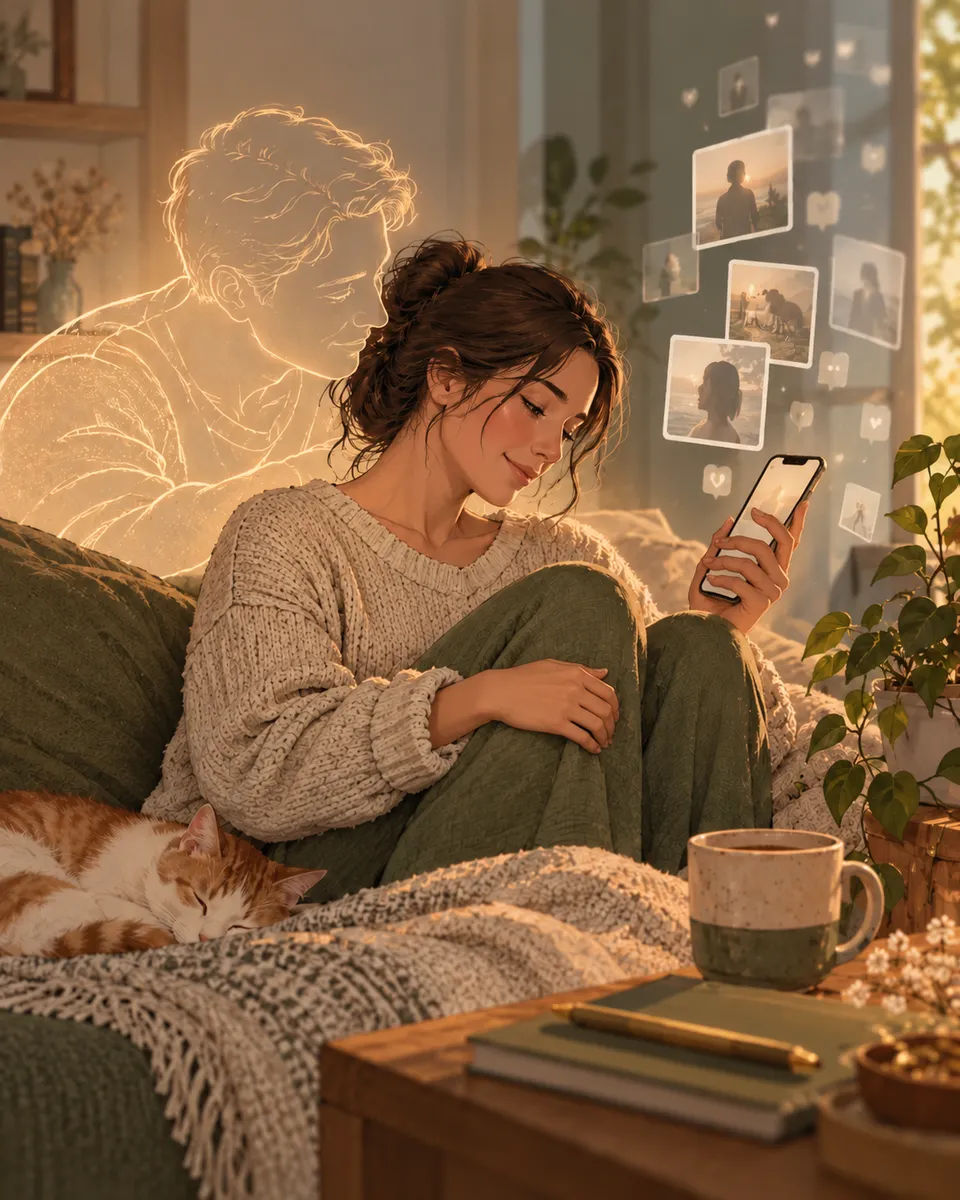
Grief and Social Media: Evidence Someone Was Here
Why posting about the dead can help, when it stops helping, and how a card can be the object that remains.

Delulu Is the Solulu: Healthy Delusion or Denial?
Is being a little delusional good for you? The research says yes, up to a point. Here is where the point is, and how to find it.
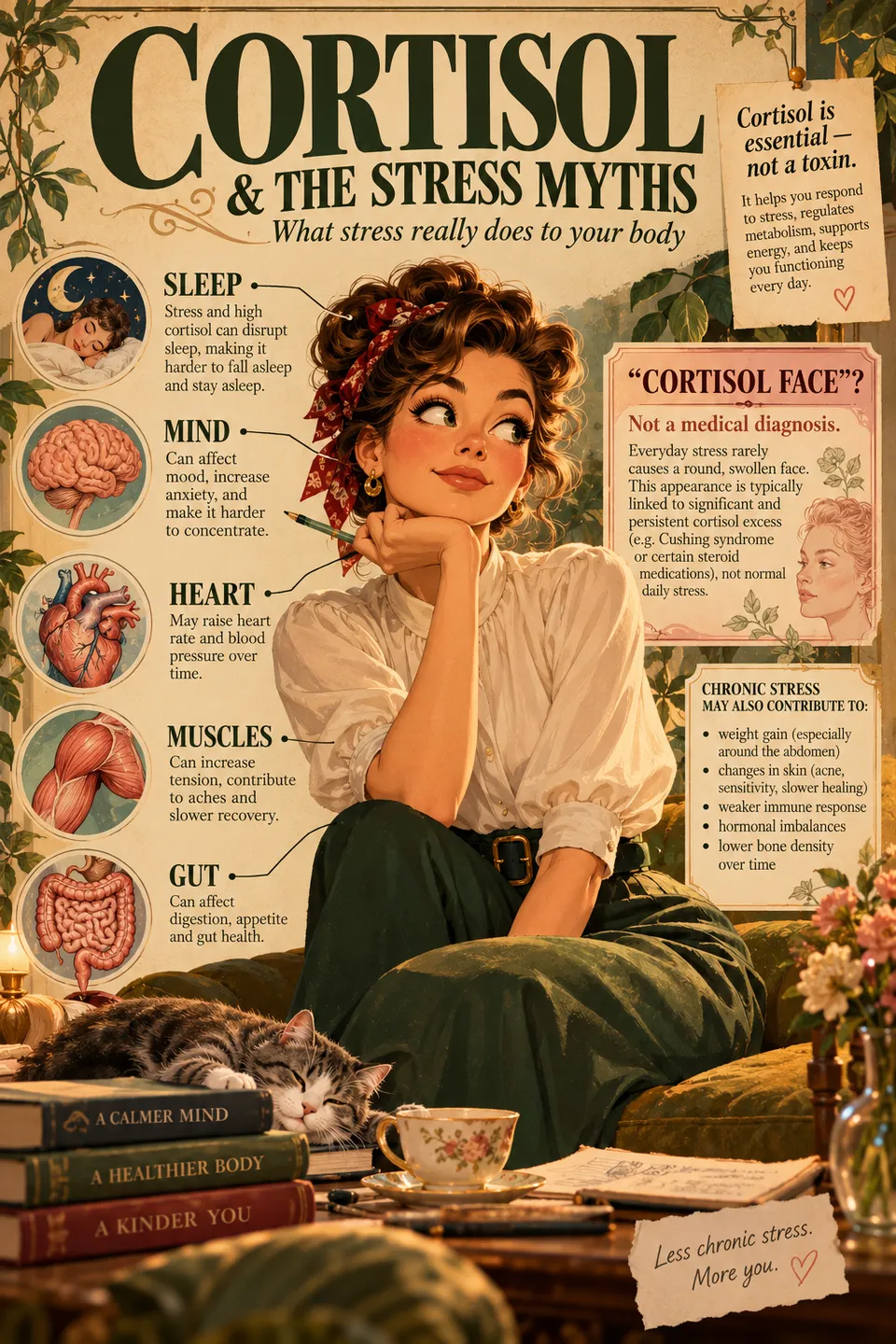
Cortisol Face: What Stress Really Does to Your Body
"Cortisol face" is everywhere online. The hormone is real, the puffy-face theory mostly is not. Here is where stress actually shows up.

Adult ADHD and TikTok — Is It Me, or the Algorithm?
You saw a video, and it saw you. What adult ADHD actually is, what research says about ADHD TikTok, and what to do with the feeling of recognition.

Third Places and the Loneliness Epidemic
Loneliness is not a personal failing. It is partly a missing room. What a third place does for your nervous system, and how to build one from scratch.

Anxious vs Avoidant Attachment: What TikTok Gets Wrong
Anxious and avoidant attachment are patterns, not permanent types. Here is what the research actually says, and why your "style" can change.

Doomscrolling and Dopamine Detox: What Research Says
Dopamine detox is mostly myth, but cutting screen time does help mood and sleep. Here's the evidence, and a gentler way to stop scrolling.
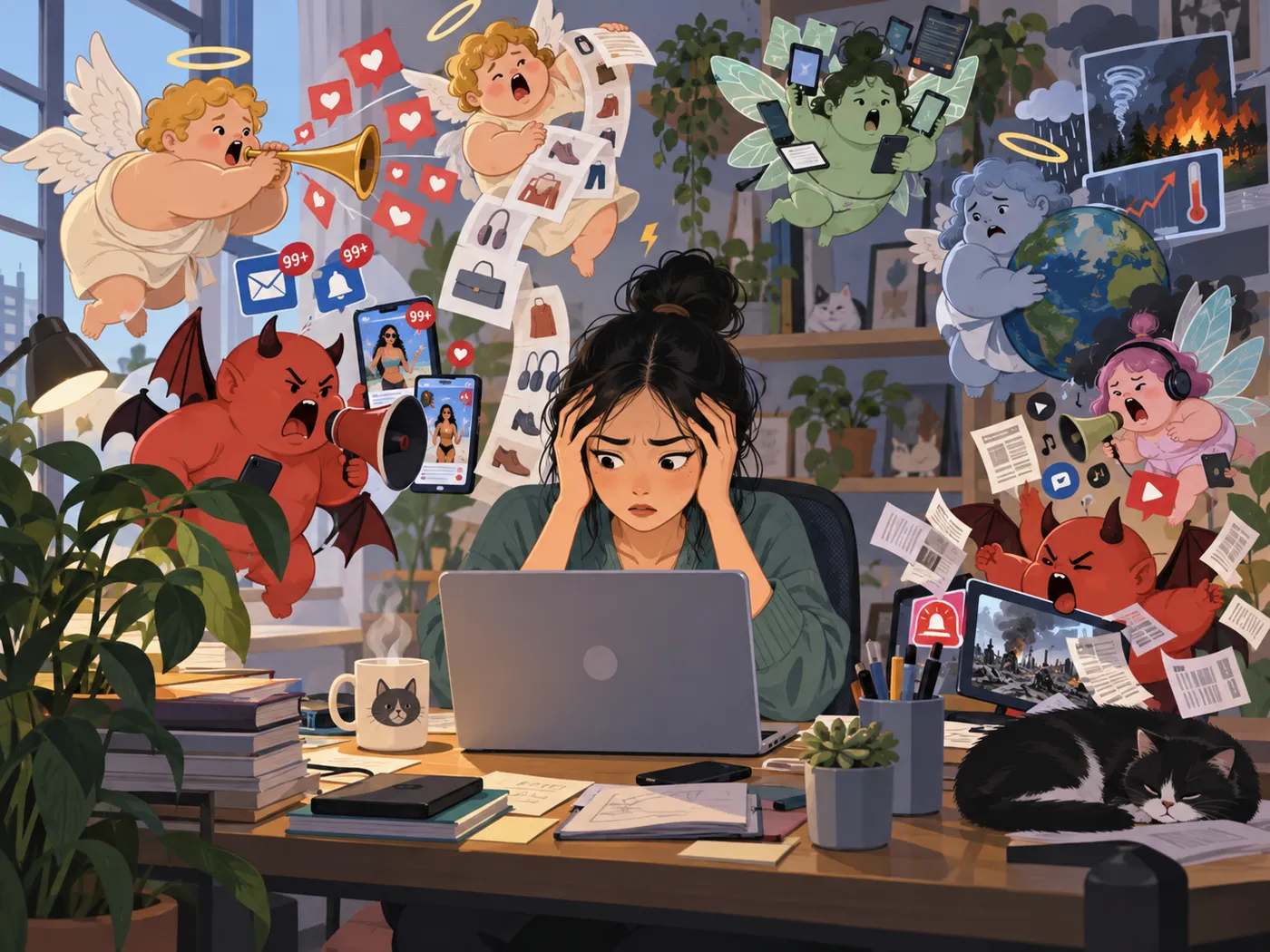
Why Is Everyone So Anxious? Modern Anxiety, Explained
Notifications, news, endless choices, climate worry, comparison. Why modern life keeps your nervous system on high alert, what research says, and small ways to turn down the volume.