when words run out
The Body Keeps Talking
Sleep, hormones, the vagus nerve, anhedonia, the 3 a.m. brain, hands that need a job — what the body says when the vocabulary runs out.
12 posts

Music for Nervous System Regulation: A Playlist Guide
Music changes heart rate, cortisol and mood. Learn the iso-principle and build a regulation playlist that meets you where you are, then moves you.
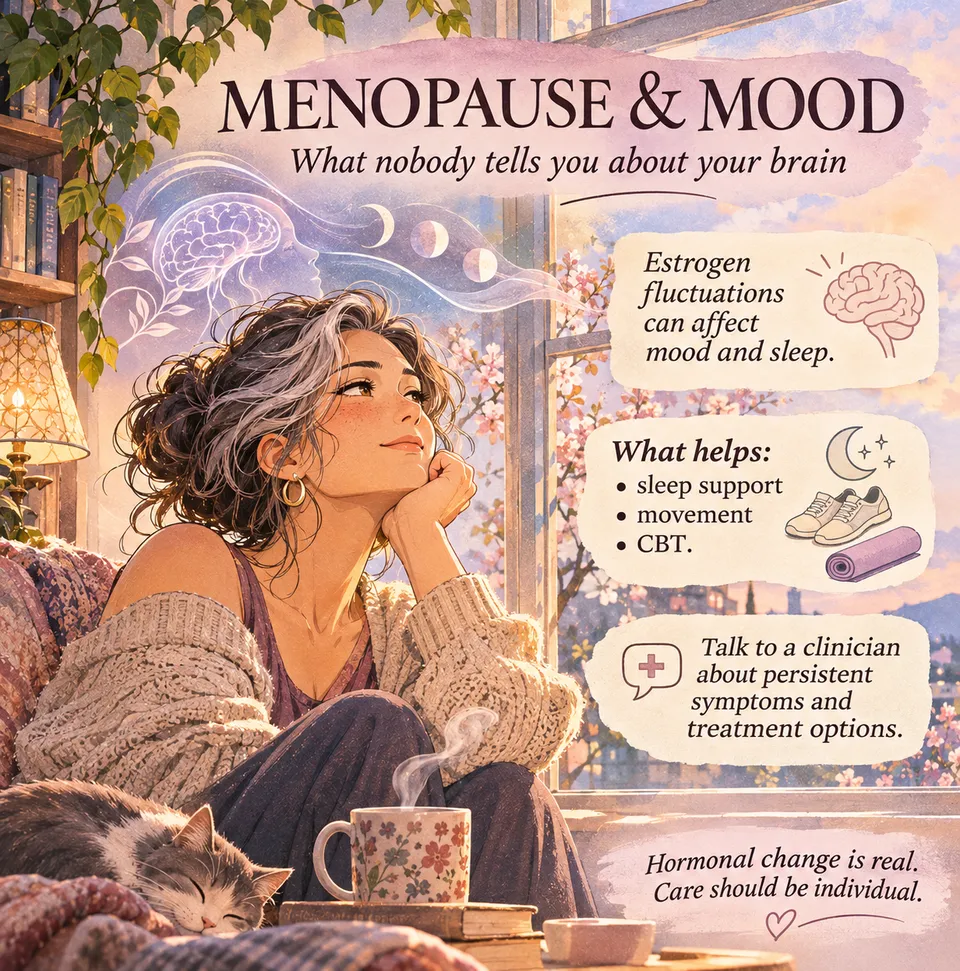
Menopause and Mood: What Nobody Tells You About Your Brain
Perimenopause can shake your mood before it touches your periods. Here is what the research says about oestrogen, the brain, and what helps.

Body Image and the Mirror: Who Is Actually Looking?
Body image is a relationship, not a reflection. What research says about mirrors, comparison and social media, and how to move from looking to sensing.
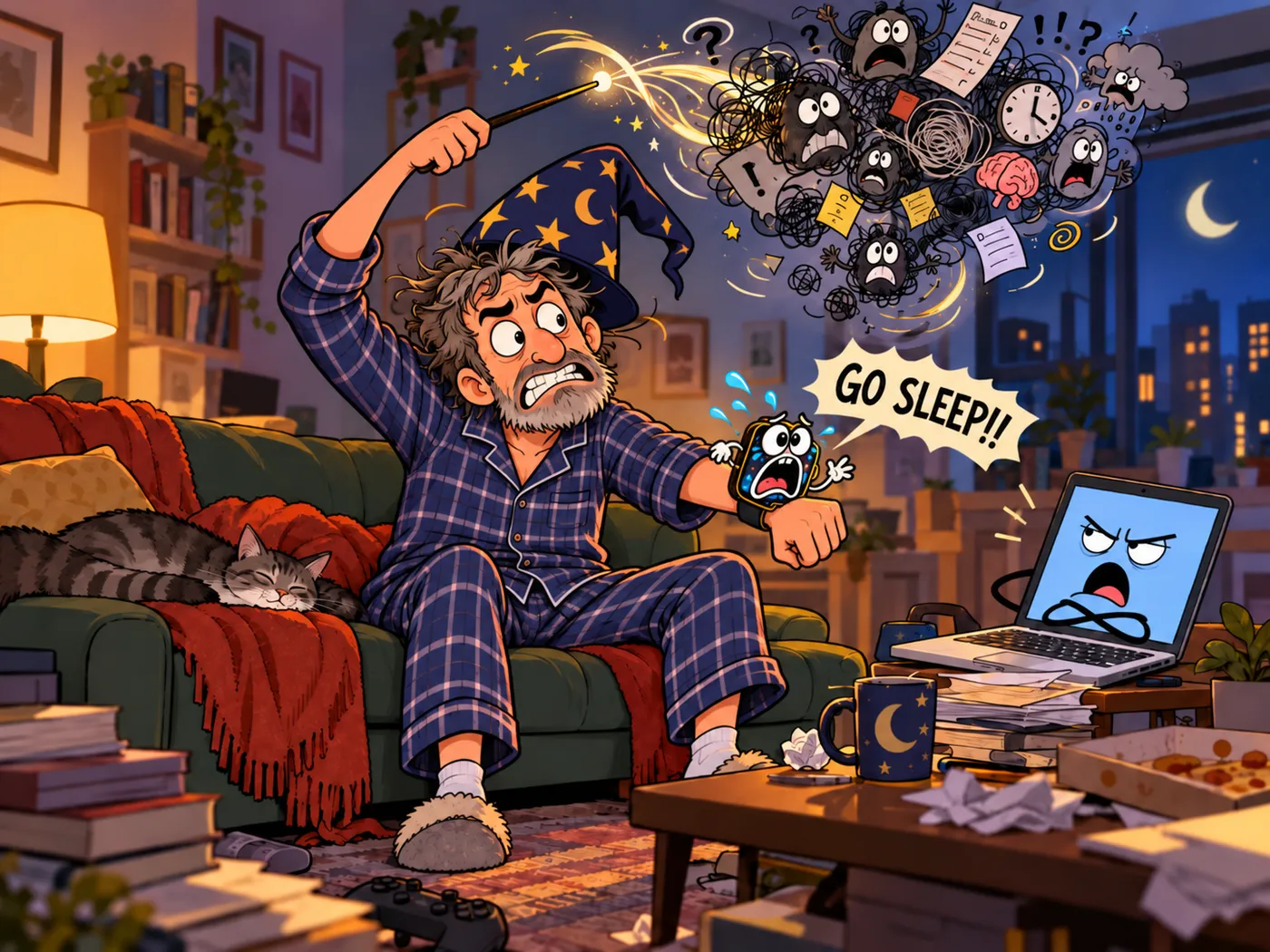
Sleep and Anxiety: Why Your 3 a.m. Thoughts Lie
Night thoughts feel truer because a tired brain loses its brakes. Here is what sleep loss does to anxiety, and what helps.
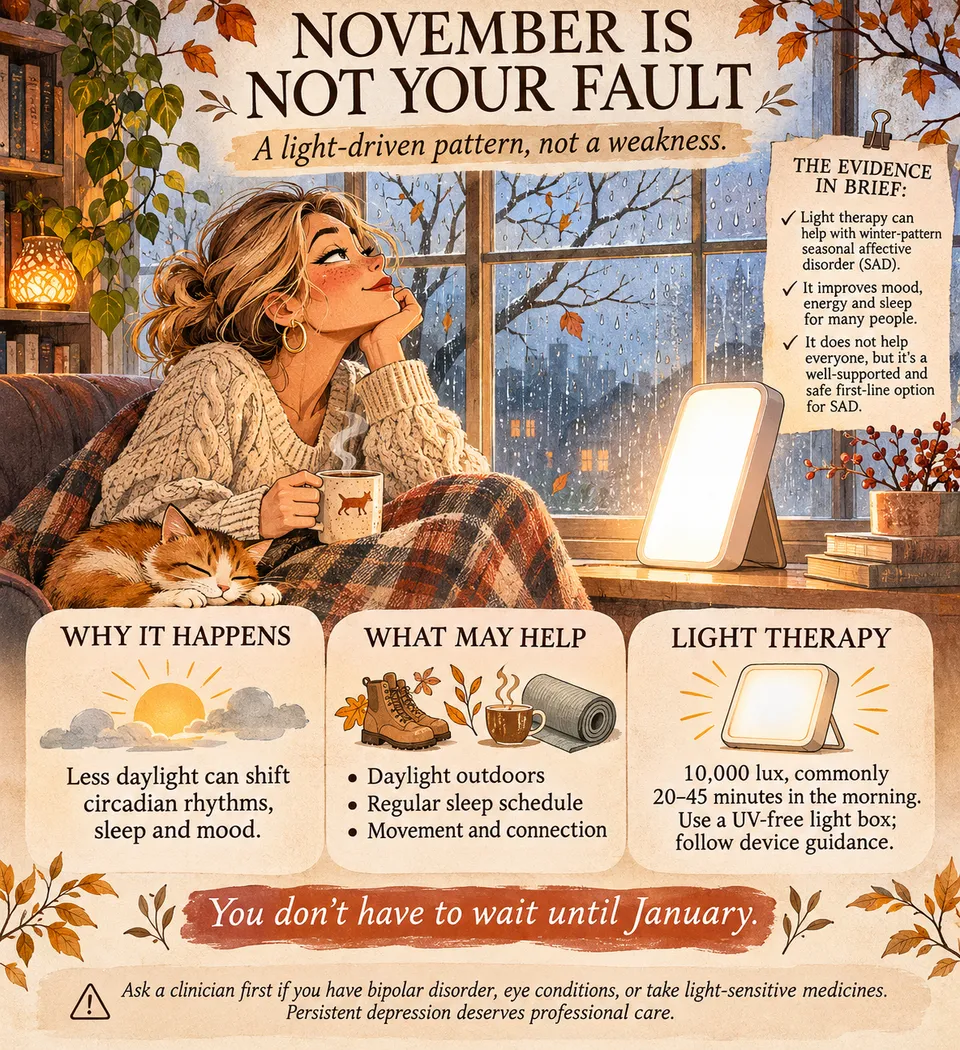
Seasonal Depression: November Is Not Your Fault
Seasonal depression is a real, light-driven pattern, not weakness. What the evidence says about light therapy and what to do before January.
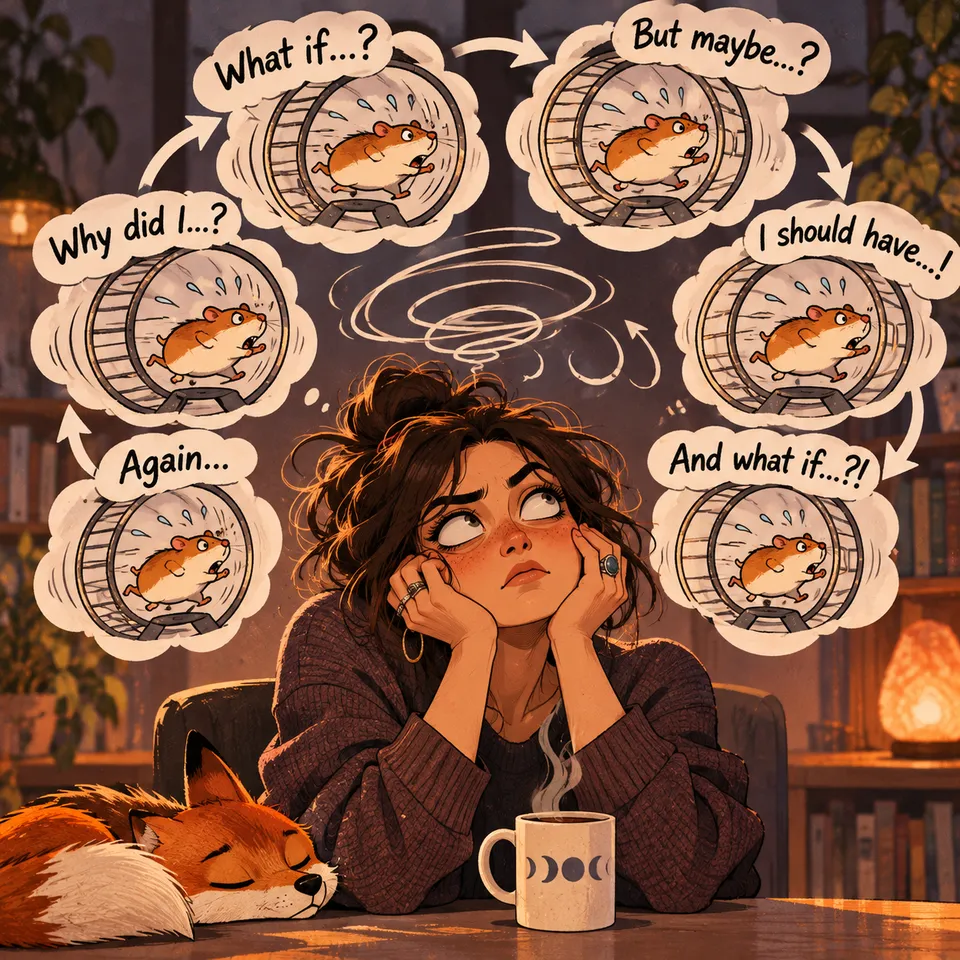
Rumination: Why Your Brain Replays the Same Scene
Rumination is not thinking, it is looping. Here is why the replay never resolves and what the research says actually interrupts it.
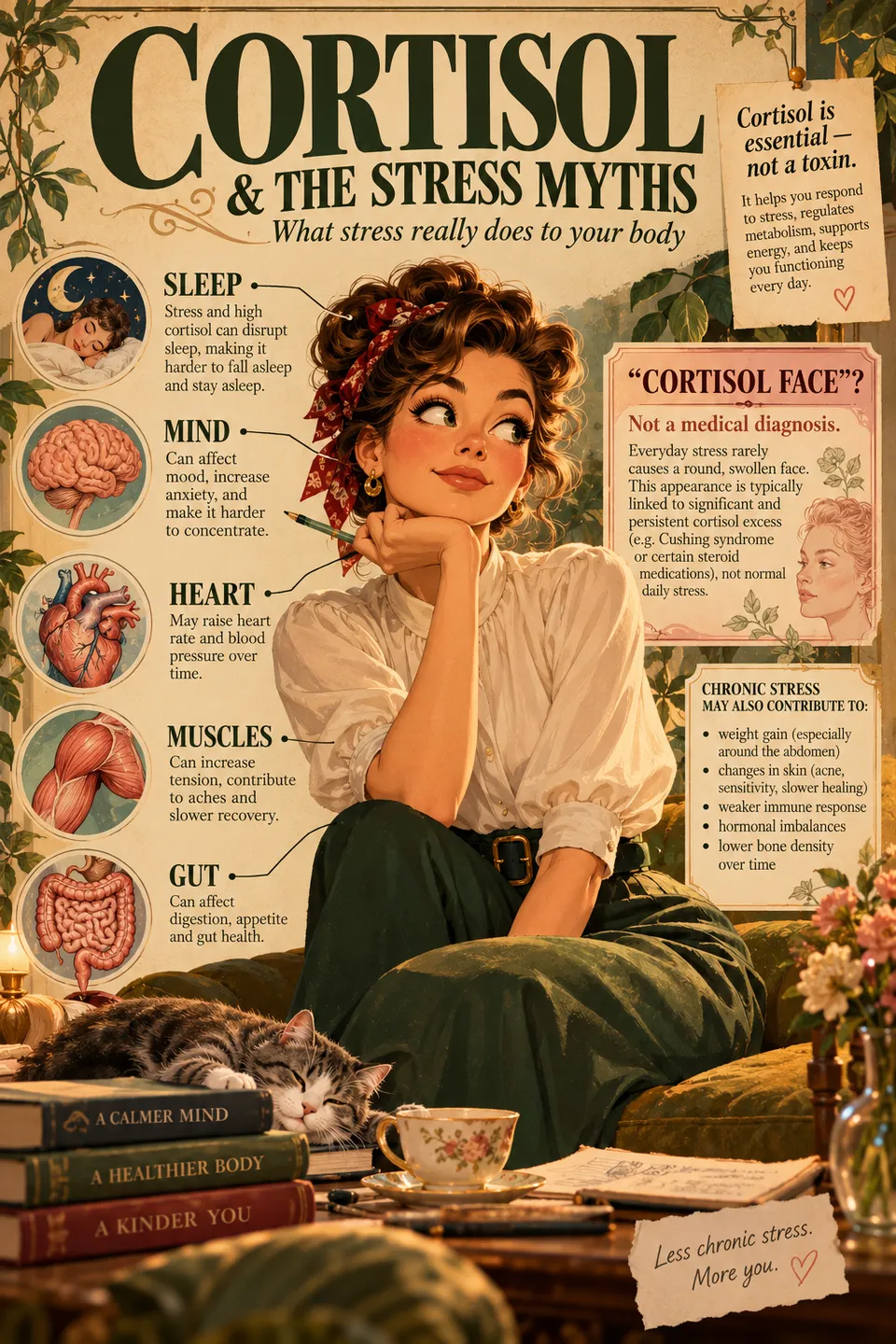
Cortisol Face: What Stress Really Does to Your Body
"Cortisol face" is everywhere online. The hormone is real, the puffy-face theory mostly is not. Here is where stress actually shows up.

Anhedonia: When Nothing Feels Like Anything
Anhedonia means losing the ability to feel pleasure. What it is, how it links to depression, and a small daily practice that helps the reward system.

Vagus Nerve Reset: What It Really Means
A "vagus nerve reset" is mostly slow breathing with a dramatic name. Here is what the science supports, what it doesn't, and how to use it anyway.

When You Can't Find the Words: Metaphorical Cards for Anxiety
Anxiety is loud, but rarely articulate. How metaphorical associative cards help you notice, name, and soften what you feel, plus a gentle 5-minute card practice to try.
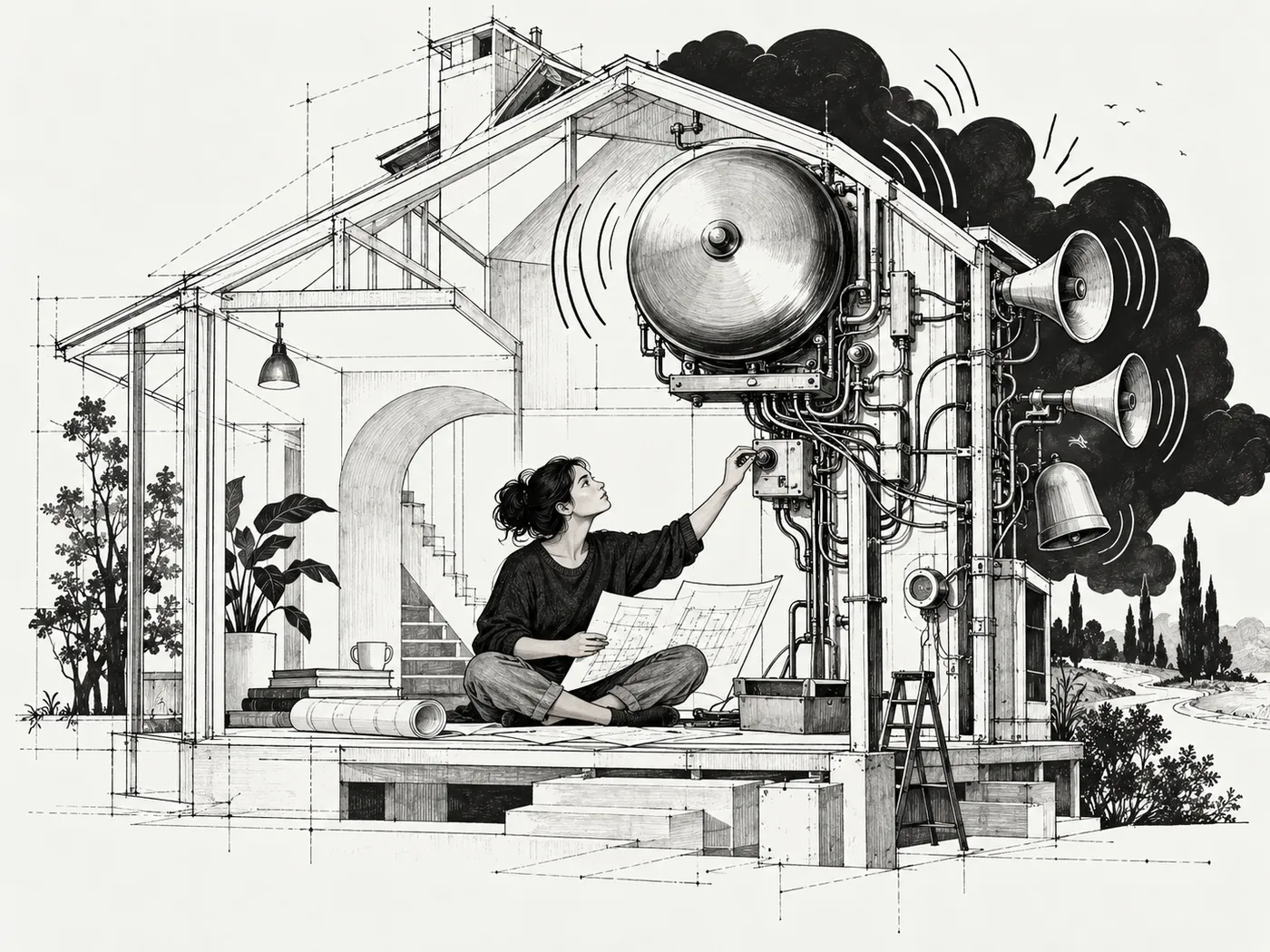
Form Follows Function: Why Your Anxiety Has a Job
Architects say form follows function. So do your symptoms. A fresh look at anxiety as an overprotective alarm: why it exists, why it misfires, and how to work with it instead of against it.

The Body Keeps the Score: What It Gets Right (and What Critics Say)
Bessel van der Kolk's bestseller changed how millions talk about trauma. Here's what the book gets beautifully right, what scientists still argue about, and why both matter.