
tags
#trauma
11 posts

Mother Wound: Reparenting Yourself Without a Script
"Mother wound" is not a diagnosis, but the ache is real. What attachment research and schema therapy actually offer.

Recovering From Fawning: The No You Never Said
Recovering from fawning means learning the difference between kindness and fear, then practising small refusals. Here is how to start.

Parentification: The Child Who Was the Parent
Parentification is when a child holds the family instead of being held. What it looks like, what research says it costs and gives, and how to set it down.

Emotionally Immature Parents: The Lindsay Gibson Effect
What emotionally immature parents do, Gibson's four types, the research behind the idea, and the critique worth hearing before you detach.

Inner Child and Parts: Internal Family Systems Explained
Internal Family Systems says your mind is made of parts, not one voice. What that means, what the evidence shows, and how it differs from being childish.

Hyperindependence: When "I Don't Need Anyone" Is Trauma
Hyperindependence is not a diagnosis, but compulsive self-reliance is a well-studied way people cope after being let down. Here is how to tell the difference.

Kintsugi and Post-Traumatic Growth: The Beauty of Golden Cracks
In Japan, broken bowls are mended with gold, and the cracks become the most beautiful part. What kintsugi can teach us about trauma, healing, and growth, without the toxic positivity.

Fight, Flight, Freeze, or Fawn: The 4 Trauma Responses Explained
Why do some people argue, some run, some go blank, and some apologize to the chair they bumped into? Meet the four survival responses, and learn to recognize your own.

Encanto and Generational Trauma: What the Madrigals Teach Us About Family
A magical house, a family of gifts, and cracks nobody wants to talk about. What Encanto reveals about generational trauma, family roles, and healing together.
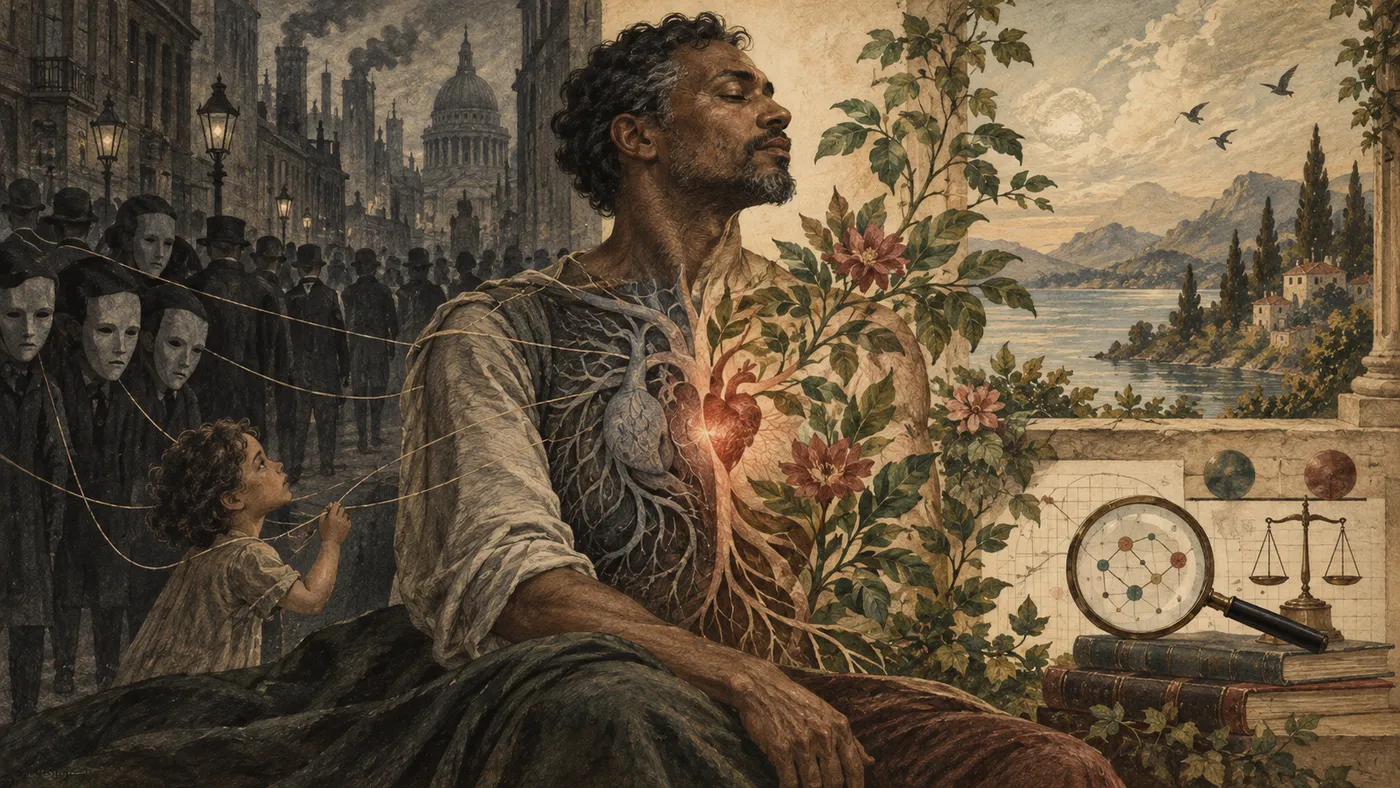
The Myth of Normal: Gabor Maté on Trauma, Illness, and a Tired World
What if "normal" is part of the problem? A warm, honest look at Gabor Maté's The Myth of Normal: its big ideas about trauma, where it shines, and where science pushes back.

The Body Keeps the Score: What It Gets Right (and What Critics Say)
Bessel van der Kolk's bestseller changed how millions talk about trauma. Here's what the book gets beautifully right, what scientists still argue about, and why both matter.