tags
#therapy
10 posts

Video Games as Therapy: Celeste, Spiritfarer, Grief
Some games are quietly doing therapeutic work. What the research says about play and wellbeing, and what Celeste and Spiritfarer get right.

Therapy Speak — When "Boundaries" Becomes a Weapon
Boundaries, gaslighting, toxic, narcissist. The words were meant to free you; sometimes they're used to win. How to tell, and how to say the real thing.

AI Therapist: What a Chatbot Can and Can't Do for You
A chatbot can listen at 3 a.m., but it isn't therapy. Here's what the research says an AI therapist can do, where it fails, and how to use it safely.

Inner Child and Parts: Internal Family Systems Explained
Internal Family Systems says your mind is made of parts, not one voice. What that means, what the evidence shows, and how it differs from being childish.

Shadow Work: What Jung Actually Meant
Shadow work went viral, but Jung’s idea is older and stranger than a journal prompt. What the shadow is, how projection works, and what a notebook can do.
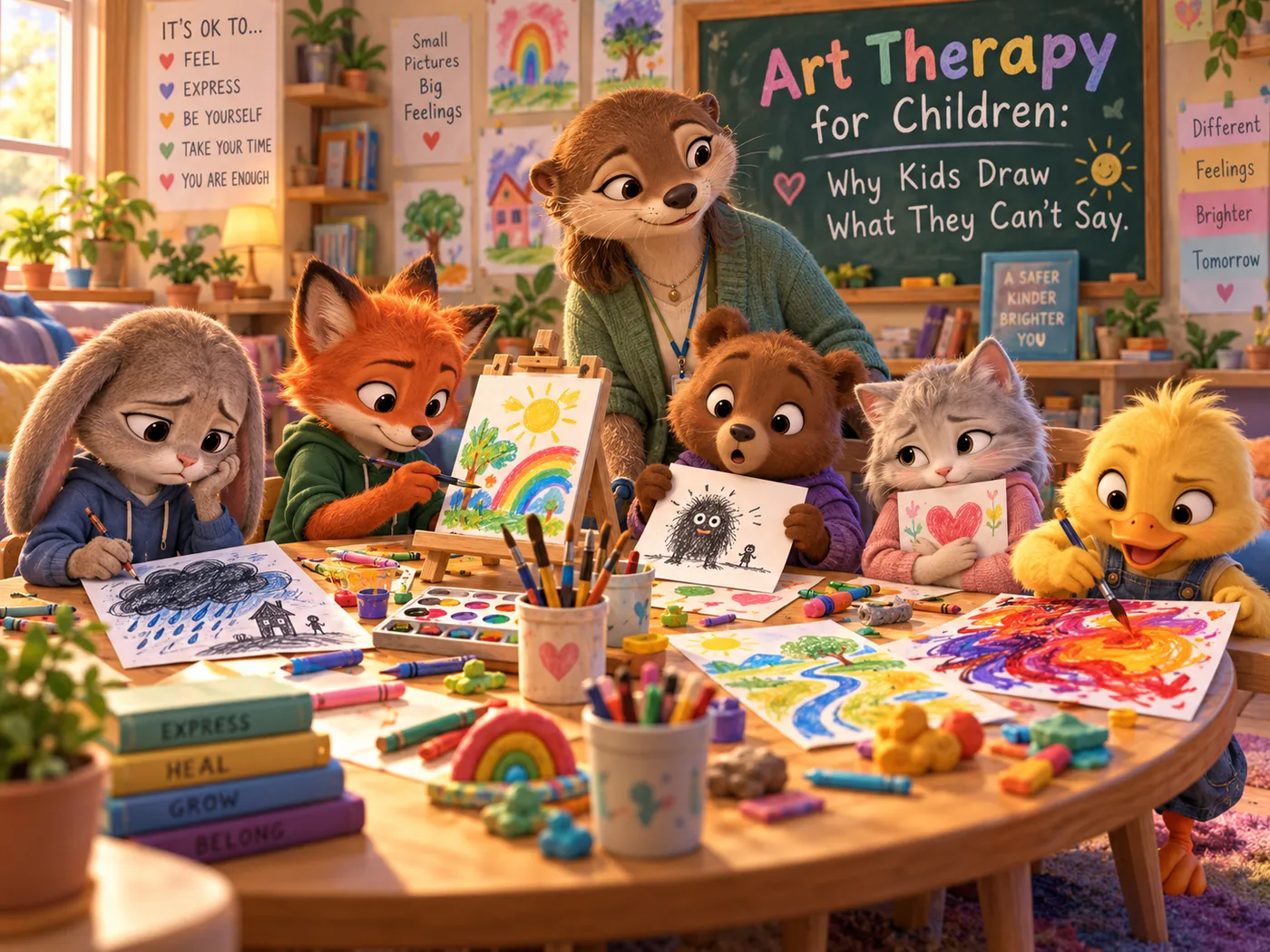
Art Therapy for Children: Why Kids Draw What They Can't Say
Art therapy for children uses drawing and making as a language. Here is what it is, what a therapist does, and what a parent can safely read into a drawing.

When You Can't Find the Words: Metaphorical Cards for Anxiety
Anxiety is loud, but rarely articulate. How metaphorical associative cards help you notice, name, and soften what you feel, plus a gentle 5-minute card practice to try.

Art Therapy: Why Making Something "Ugly" Can Make You Feel Better
No talent required. Just paper, color, and permission to be messy. What art therapy is, what research says about art and well-being, and a 10-minute exercise to try today.
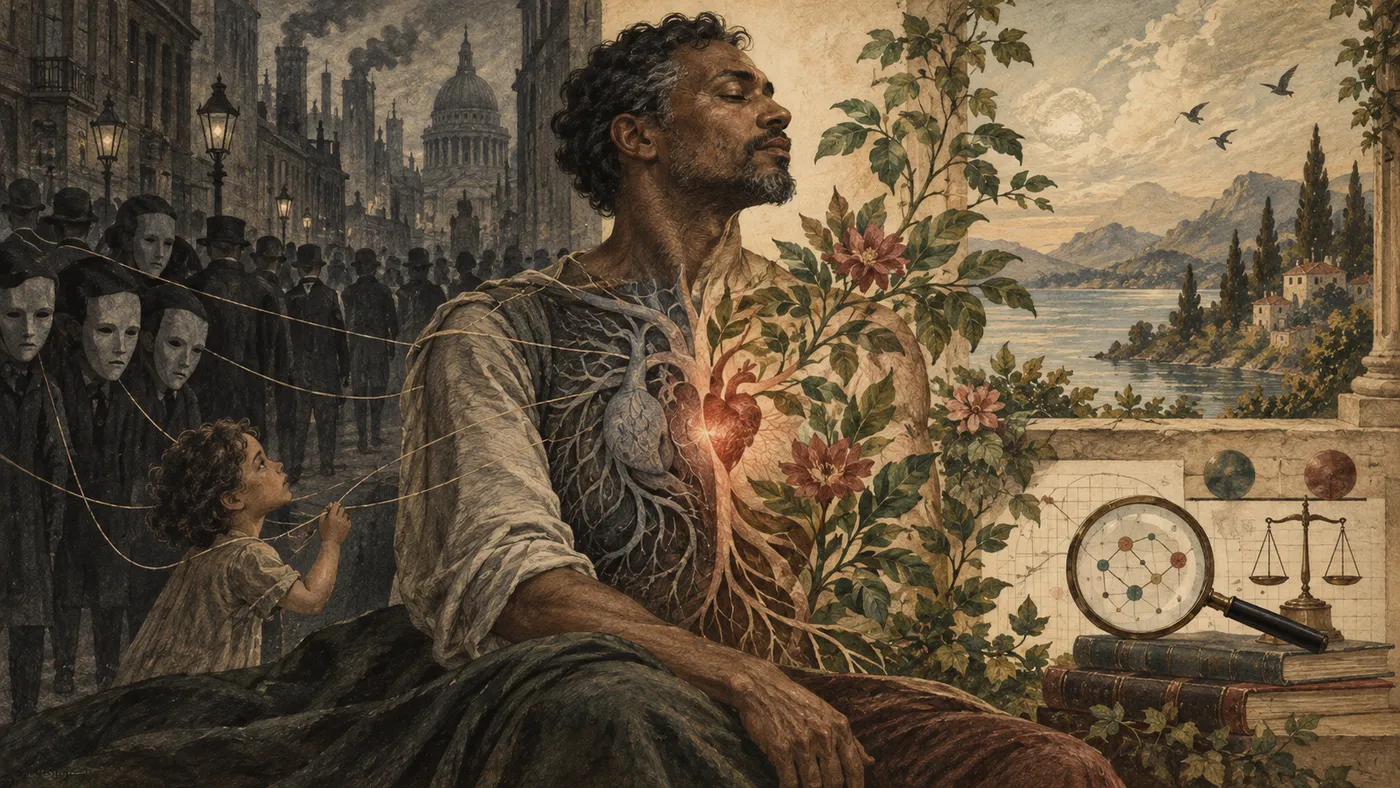
The Myth of Normal: Gabor Maté on Trauma, Illness, and a Tired World
What if "normal" is part of the problem? A warm, honest look at Gabor Maté's The Myth of Normal: its big ideas about trauma, where it shines, and where science pushes back.

Metaphorical Cards in therapy: Why Images Can Help Us Say What Words Cannot
Metaphorical cards are not magic, mind-reading devices, or tiny cardboard psychoanalysts. It's another way to approach emotions, memories, and stories that are difficult to put into words.