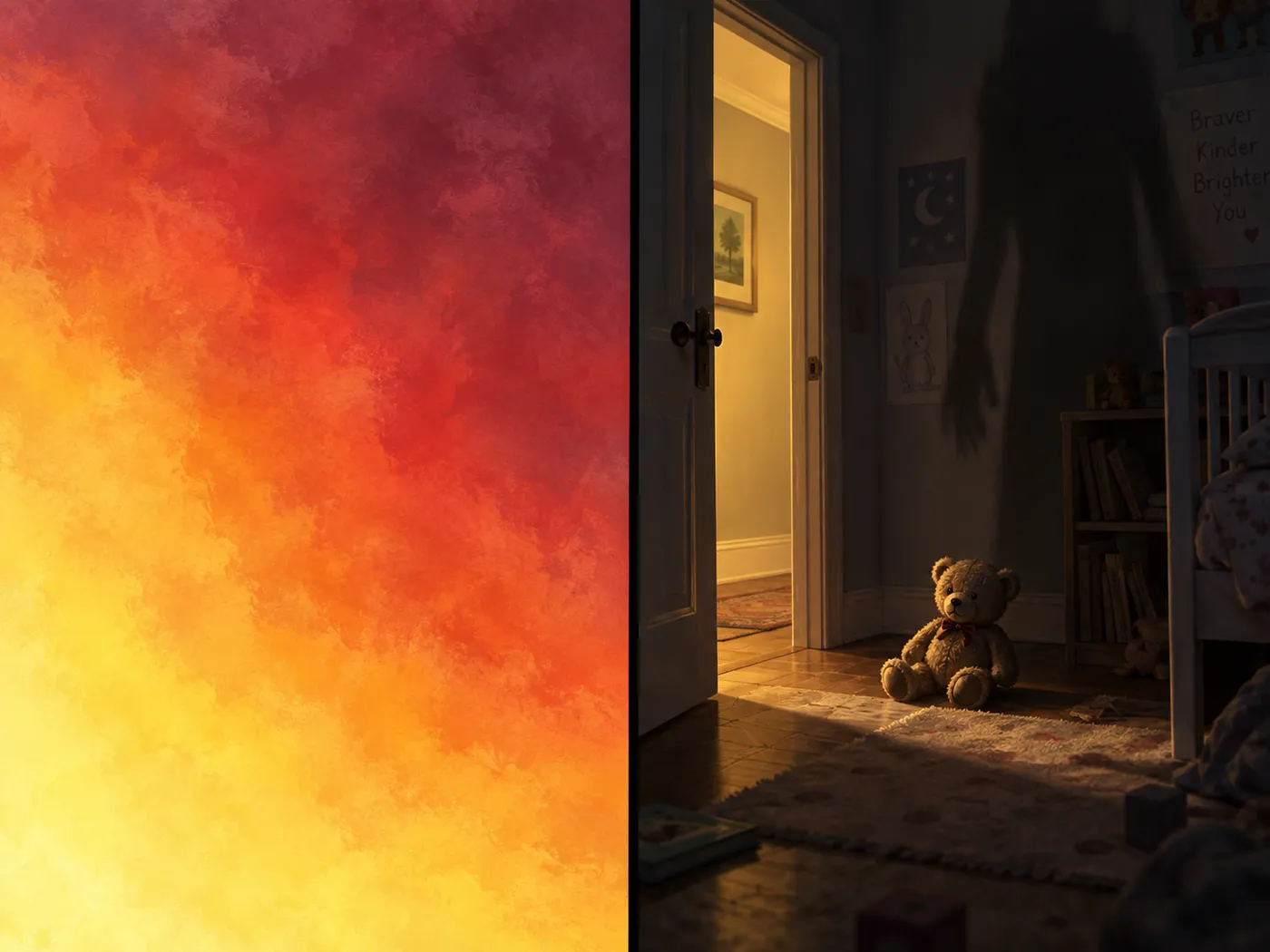
the parts that never got a say
Shadow & Self
Who you think you are, who you were trained to be, the shadow, the inner child, the parts of you that learned to fawn or to need nobody — and what happens when they finally speak.
19 posts
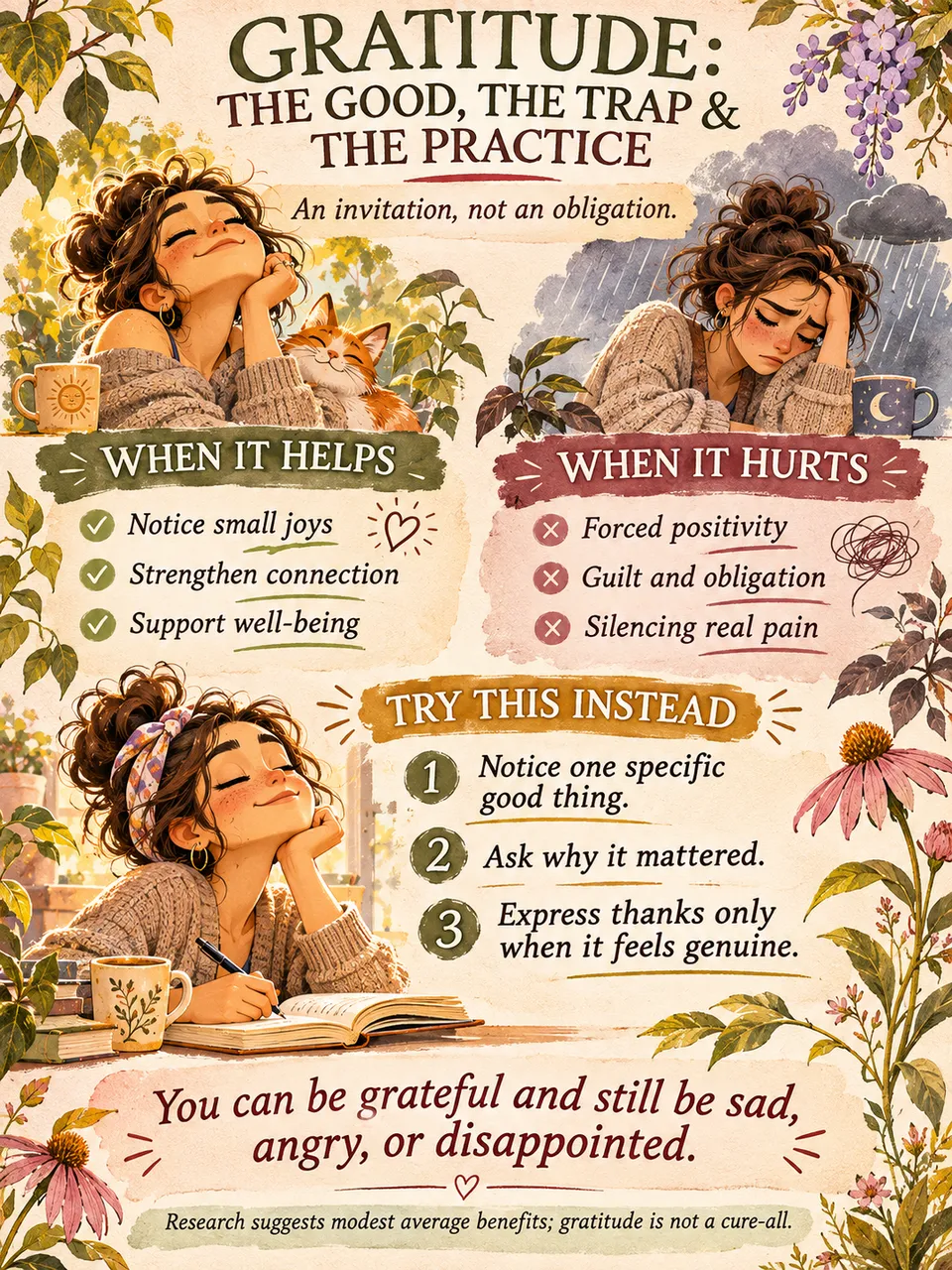
Gratitude Research: What It Shows, What It Doesn't
Gratitude journaling helps a little, not a lot. Here is what the studies show, where the hype outruns the data, and how to do it so it works.

Envy as Information: The Feeling You're Not Allowed to Have
Envy is the emotion nobody admits to. Research says it comes in two kinds, and one of them is a map to what you actually want.

Men and Crying: What Tears Are Actually For
Humans are the only animals that weep. Here is what tears do, what suppressing them costs men, and what changes when you cry in front of someone.

Solitude vs Loneliness: Being Alone on Purpose
Alone is a fact. Lonely is a story about it. Here is what research says separates the two, and how to practise solitude without it turning on you.
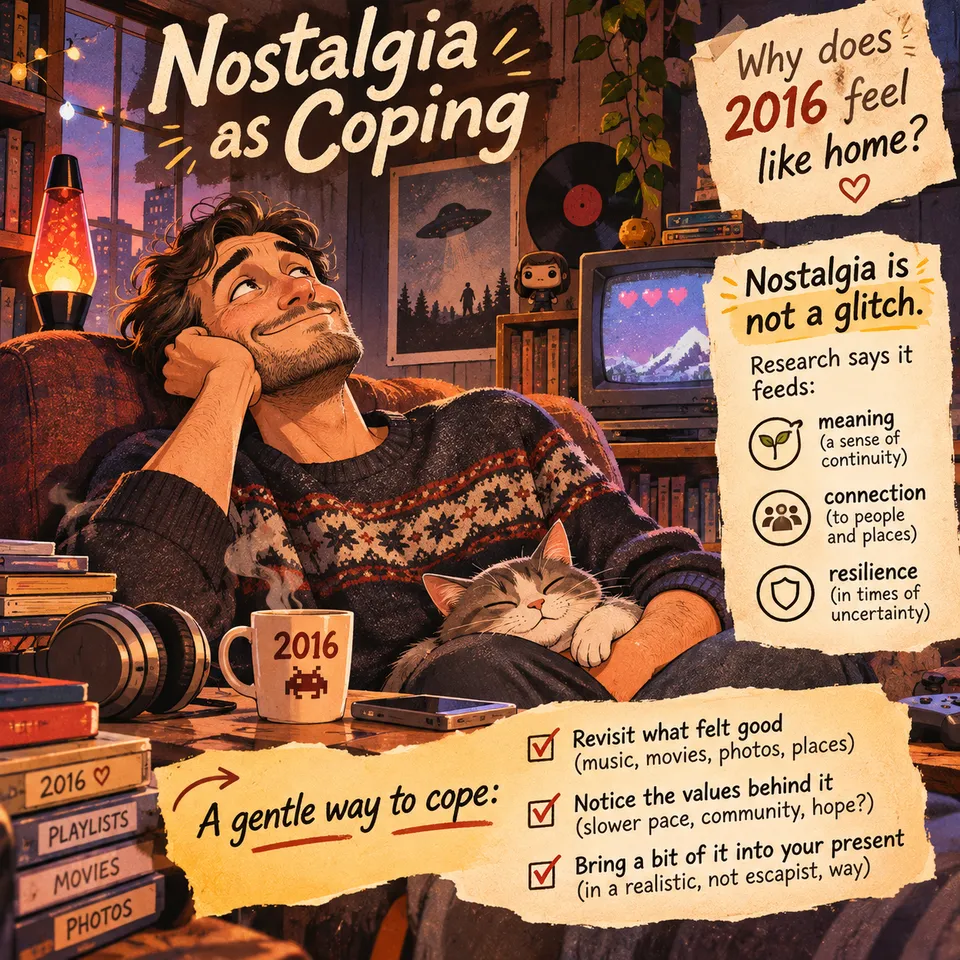
Nostalgia as Coping: Why 2016 Feels Like Home
Nostalgia is not a glitch. Research says it feeds meaning and connection. Here is how to tell comfort from hiding.

Scrupulosity: When Conscience Becomes OCD
Scrupulosity is moral or religious OCD, not strong ethics. Here is how to tell the difference and why reassurance makes it worse.

Red Ink, Pedagogical Sadism, and the Right to Make Mistakes
On what happens between two people when one knows something and the other has come to learn it — Soviet notebooks, red ink, the pendulum between cruelty and cotton wool, and why a mistake is information, not a verdict.

Grief and Social Media: Evidence Someone Was Here
Why posting about the dead can help, when it stops helping, and how a card can be the object that remains.

Delulu Is the Solulu: Healthy Delusion or Denial?
Is being a little delusional good for you? The research says yes, up to a point. Here is where the point is, and how to find it.

Recovering From Fawning: The No You Never Said
Recovering from fawning means learning the difference between kindness and fear, then practising small refusals. Here is how to start.

Adult ADHD and TikTok — Is It Me, or the Algorithm?
You saw a video, and it saw you. What adult ADHD actually is, what research says about ADHD TikTok, and what to do with the feeling of recognition.

Male Loneliness: Why Men Don't Talk
Men have fewer close friends than they did a generation ago, and a hundred good reasons not to say so. What the research shows, and what actually helps.

Parentification: The Child Who Was the Parent
Parentification is when a child holds the family instead of being held. What it looks like, what research says it costs and gives, and how to set it down.

Inner Child and Parts: Internal Family Systems Explained
Internal Family Systems says your mind is made of parts, not one voice. What that means, what the evidence shows, and how it differs from being childish.

Hyperindependence: When "I Don't Need Anyone" Is Trauma
Hyperindependence is not a diagnosis, but compulsive self-reliance is a well-studied way people cope after being let down. Here is how to tell the difference.

Shadow Work: What Jung Actually Meant
Shadow work went viral, but Jung’s idea is older and stranger than a journal prompt. What the shadow is, how projection works, and what a notebook can do.

Fight, Flight, Freeze, or Fawn: The 4 Trauma Responses Explained
Why do some people argue, some run, some go blank, and some apologize to the chair they bumped into? Meet the four survival responses, and learn to recognize your own.
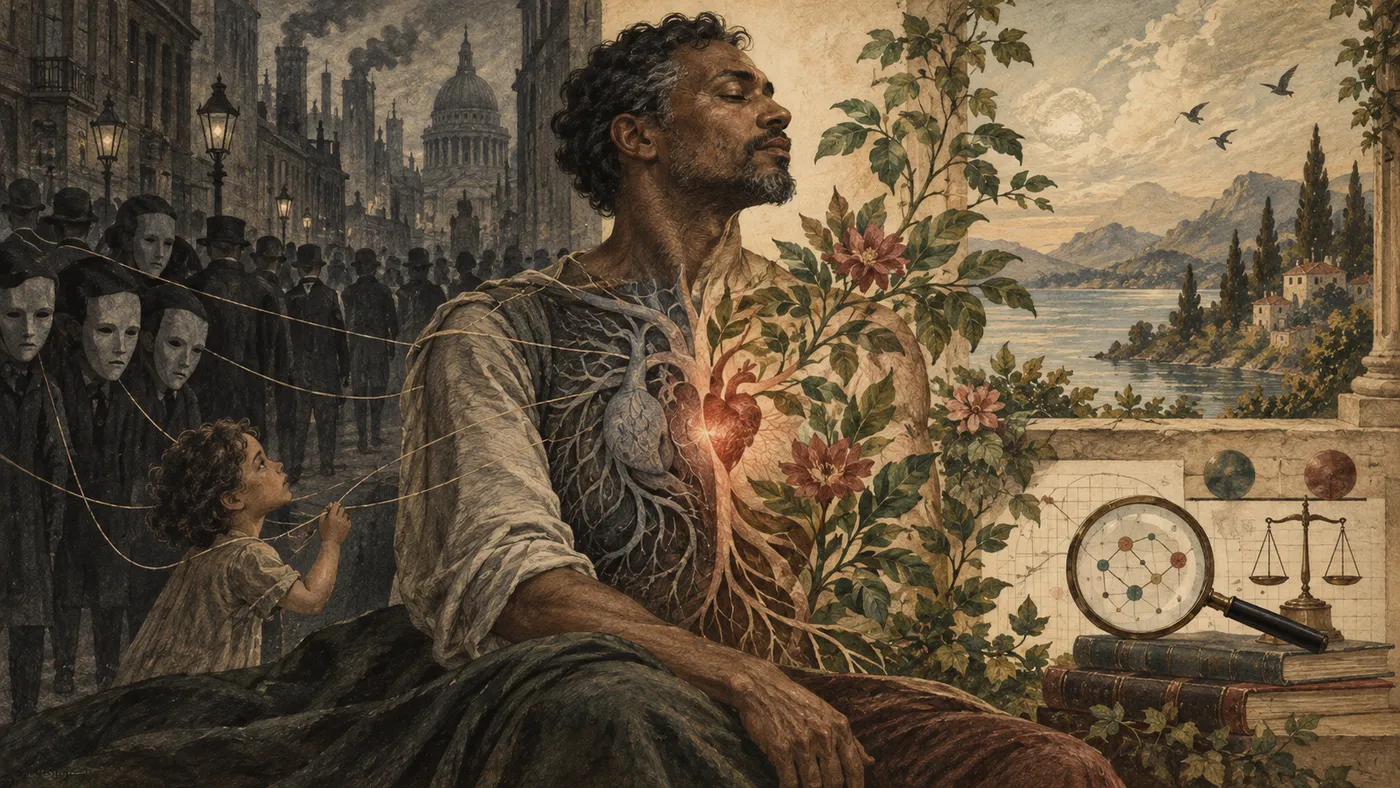
The Myth of Normal: Gabor Maté on Trauma, Illness, and a Tired World
What if "normal" is part of the problem? A warm, honest look at Gabor Maté's The Myth of Normal: its big ideas about trauma, where it shines, and where science pushes back.
Metaphorical Cards in therapy: Why Images Can Help Us Say What Words Cannot
Metaphorical cards are not magic, mind-reading devices, or tiny cardboard psychoanalysts. It's another way to approach emotions, memories, and stories that are difficult to put into words.